Download FREE Sample


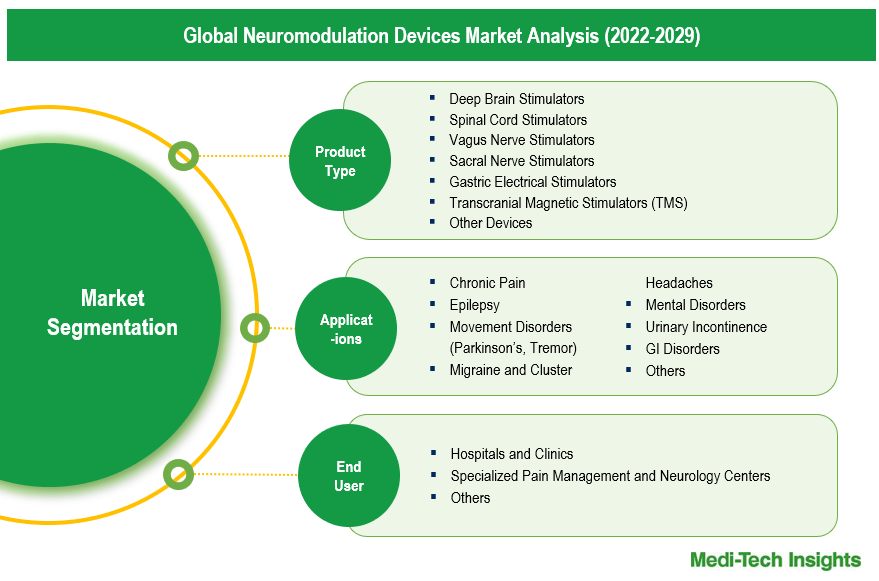
Neuromodulation encompasses a range of devices such as spinal cord stimulators (SCS), deep brain stimulators (DBS), sacral nerve stimulators (SNS), and vagus nerve stimulators (VNS). These devices offer electrical or pharmaceutical modulation to specific parts of the nervous system, aimed at reducing pain, improving motor functions, or managing chronic conditions like incontinence. Neuromodulation technology has been evolving, with companies focused on delivering personalized and condition-specific therapies. This has led to increasing demand for innovative solutions across various therapeutic areas, contributing to the overall market growth.
To learn more about this report, download the PDF brochure
Growing Prevalence of Chronic Pain, Movement Disorders, and Technological Advances Fuel Neuromodulation Devices Market
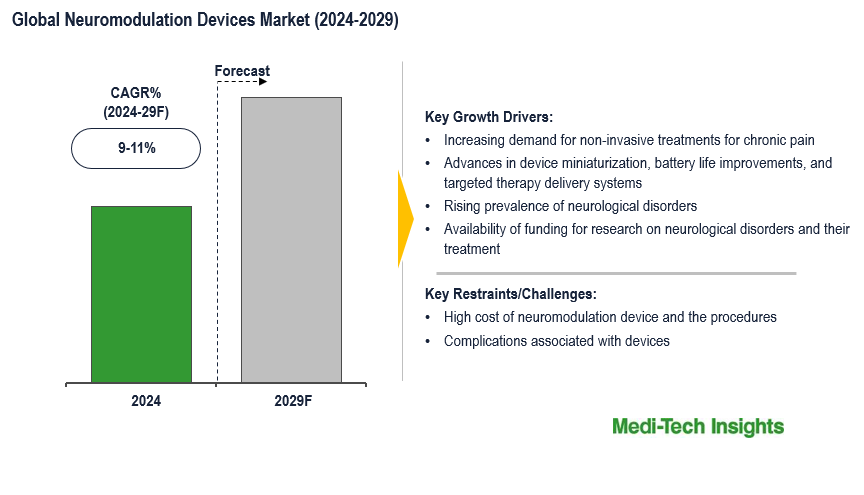
The neuromodulation devices market is primarily driven by the growing prevalence of chronic pain, neurological disorders, and movement conditions. The surge in demand for non-invasive treatment options and the availability of advanced neuromodulation devices, such as rechargeable and implantable pulse generators, is further driving market expansion. Key players such as Medtronic, Boston Scientific, and Abbott have introduced products with enhanced functionalities, including extended battery life and closed-loop stimulation systems, that target specific conditions like epilepsy, Parkinson-s, and depression. Furthermore, technological innovations like MRI-compatible devices and real-time data feedback systems are paving the way for more sophisticated neuromodulation therapies.
A major challenge in the neuromodulation devices market is the high cost of devices and treatments, which limits patient access, particularly in emerging economies. Spinal cord stimulators, for example, can cost tens of thousands of dollars, excluding the expenses for surgery and follow-up care. This financial barrier impacts both healthcare providers and patients. Additionally, reimbursement challenges in certain regions further exacerbate the problem, as many insurance systems either provide limited coverage or exclude neuromodulation treatments altogether. These factors constrain market growth, despite the promising potential of these therapies to address chronic pain and neurological disorders.
To learn more about this report, download the PDF brochure
Competitive Landscape Analysis
Key players in the global neuromodulation devices market include Medtronic, Boston Scientific, Abbott, LivaNova, NeuroPace, Nevro Corp, Soterix Medical, electroCore, Inc., Synapse Biomedical, and Nexstim; among others. Key strategies adopted by market players include product innovation/launch, partnerships, and acquisitions to strengthen their market position.
Neuromodulation Devices Market Scope
|
Report Scope |
Details |
|
Base Year Considered |
2023 |
|
Historical Data |
2022 - 2023 |
| Forecast Period |
2024 - 2029 |
| Growth Rate |
CAGR of 9-11% |
|
Segment Scope |
Product Type, Applications, and End User |
|
Regional Scope |
|
|
Key Companies Mapped |
Medtronic, Boston Scientific, Abbott, LivaNova, NeuroPace, Nevro Corp, Soterix Medical, electroCore, Inc., Synapse Biomedical, and Nexstim; among others |
|
Report Highlights |
Market Size & Forecast, Growth Drivers & Restraints, Trends, Competitive Analysis |
Frequently Asked Questions About This Report
What is the market size & forecast of the neuromodulation devices market?
What are the historical, present, and forecasted market shares and growth rates of various segments and sub-segments of the neuromodulation devices market?
What are the key trends defining the market?
What are the major factors impacting the market?
What are the opportunities prevailing in the market?
Need a More Tailored Analysis?
- Discuss the market sizing methodology and forecast assumptions with our healthcare analysts.
- Expand the scope with additional countries, market segments, technologies, or competitor profiling.
- Use the insights to support strategic planning, market entry, commercial due diligence, and long-term revenue growth initiatives.