Download FREE Sample


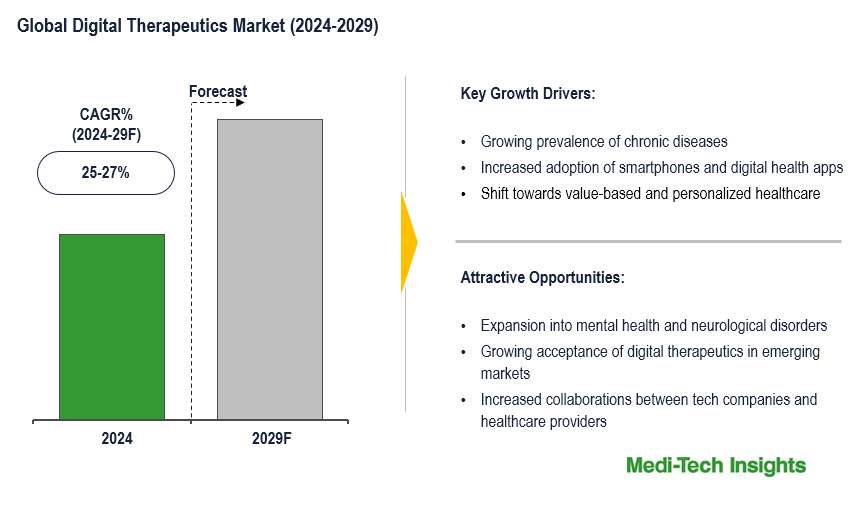
The digital therapeutics (DTx) market is experiencing significant growth with a projected CAGR of 25-27% over the next few years. Key drivers include the increasing prevalence of chronic diseases, growing adoption of smartphones and digital health technologies, patient demand for personalized healthcare, regulatory support, and rising awareness about preventive care. However, restraints such as regulatory challenges, data privacy concerns, and limited reimbursement policies can impede market expansion.
Digital therapeutics refers to evidence-based, clinically evaluated software that delivers therapeutic interventions to patients to prevent, manage, or treat medical conditions. Unlike traditional medications, DTx solutions are used in conjunction with or as alternatives to conventional treatments. They often leverage mobile apps, wearables, and digital platforms to provide personalized treatments, tracking, and real-time adjustments to therapies. These solutions are increasingly recognized for their ability to enhance patient outcomes, reduce healthcare costs, and improve accessibility to treatment, especially for chronic disease management.
To learn more about this report, download the PDF brochure
Increasing Prevalence of Chronic Diseases Driving Demand for Digital Therapeutics
The growing prevalence of chronic diseases such as diabetes, cardiovascular conditions, hypertension, and obesity is a major factor fueling the demand for digital therapeutics. These chronic conditions require long-term, continuous management that can be effectively supported by digital therapeutic (DTx) solutions, which offer personalized, real-time monitoring and intervention through digital platforms and mobile applications. DTx solutions enable patients to actively manage their health from home, ensuring greater adherence to treatment plans and more consistent disease control. With the global healthcare landscape shifting towards value-based care, the need for scalable, cost-effective methods to manage chronic diseases is rising. Digital therapeutics provide a solution by reducing hospital visits, improving patient outcomes, and supporting preventative care. As healthcare systems increasingly seek efficient ways to address the growing burden of chronic conditions, the adoption of digital therapeutics continues to expand, aligning with the push for more personalized, accessible, and technology-driven healthcare solutions.
Impact of AI and Wearable Technology on the Growth of Digital Therapeutics
Advancements in AI and wearable technology are playing a pivotal role in driving the growth of the digital therapeutics market. AI-powered algorithms can process and analyze large volumes of health data, providing predictive insights that enable healthcare professionals and patients to anticipate health issues and adjust treatments in real-time. These AI-driven platforms are revolutionizing personalized care by delivering customized recommendations, improving patient outcomes, and making treatments more effective. Meanwhile, wearable devices, such as smartwatches and fitness trackers, have become increasingly sophisticated, offering accurate tracking of critical health metrics like blood glucose levels, heart rate, and daily physical activity. The integration of AI with wearables creates a seamless, data-driven healthcare approach that allows for timely interventions, better disease management, and reduced reliance on traditional healthcare settings. This technological synergy is significantly enhancing the appeal and accessibility of digital therapeutics, contributing to the market's rapid expansion by offering more precise and user-friendly solutions.
To learn more about this report, download the PDF brochure
Competitive Landscape Analysis
The global digital therapeutics market is marked by the presence of established and emerging market players such as Omada Health, Inc.; Welldoc, Inc.; 2Morrow, Inc.; Teladoc Health, Inc.; Propeller Health (ResMed); Canary Health; Noom, Inc; Akili Interactive Labs, Inc.; BigHealth; and Mango Health among others. Some of the key strategies adopted by market players include product innovation and development, strategic partnerships and collaborations, and geographic expansion.
Digital Therapeutics Market Scope
| Report Scope | Details |
| Base Year Considered | 2023 |
| Historical Data | 2022 - 2023 |
| Forecast Period | 2024 - 2029 |
| Growth Rate | CAGR of 25-27% |
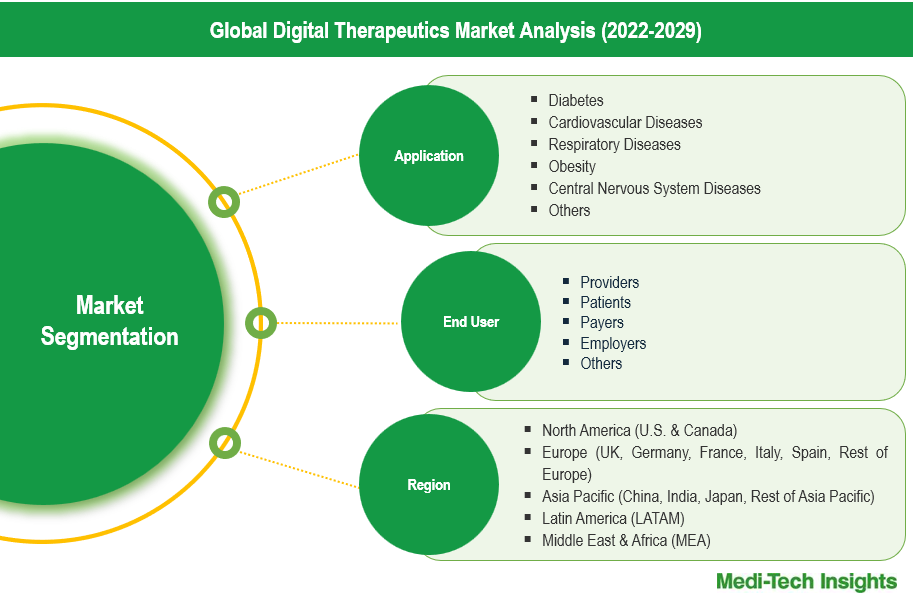
| Segment Scope | Application, End User |
| Regional Scope |
|
| Key Companies Mapped | Omada Health, Inc.; Welldoc, Inc.; 2Morrow, Inc; Teladoc Health, Inc.; Propeller Health (ResMed); Canary Health; Noom, Inc; Akili Interactive Labs, Inc.; BigHealth; and Mango Health among others |
| Report Highlights | Market Size & Forecast, Growth Drivers & Restraints, Trends, Competitive Analysis |
Frequently Asked Questions About This Report
What is the market size & forecast of the digital therapeutics market?
What are historical, present, and forecasted market shares and growth rates of various segments and sub-segments of the digital therapeutics market?
What are the key trends defining the market?
What are the major factors impacting the market?
What are the opportunities prevailing in the market?
Need a More Tailored Analysis?
- Discuss the market sizing methodology and forecast assumptions with our healthcare analysts.
- Expand the scope with additional countries, market segments, technologies, or competitor profiling.
- Use the insights to support strategic planning, market entry, commercial due diligence, and long-term revenue growth initiatives.