The global liver disease therapeutics market size is set to grow at a CAGR of 7% over the next 5 years. Key drivers include the increase in global incidence of liver disease, rising obesity rates and metabolic disorders accelerating MASLD prevalence, growing geriatric population with age-related hepatic comorbidities, government-led vaccination and hepatitis screening initiatives, and increasing adoption of precision medicine approaches in liver disease treatment. However, factors such as lack of clinically validated biomarkers, adverse drug effects and long-term adherence challenges, and limited reimbursement coverage in emerging economies negatively impact the market growth.
Liver disease therapeutics encompass the pharmacological agents, biologics, and clinical interventions developed to diagnose, manage, and treat disorders that compromise the liver's structure or function. These treatments address conditions ranging from infection-driven and metabolism-linked disease to chronic, progressive, and malignant disorders that gradually impair liver health over time. Alongside medication-based care, the therapeutic space also includes surgical and procedural options for patients facing advanced or end-stage disease, where drugs alone can no longer offer adequate control. Industry focus has increasingly shifted away from therapies that merely ease symptoms or suppress disease activity toward solutions capable of altering the disease's underlying trajectory, including halting or reversing fibrotic damage. This shift reflects a deeper scientific understanding of how liver disease develops and progresses, reshaping the detection and management of chronic hepatic conditions globally.
Increasing global incidence of liver disease to drive demand for live disease therapeutic products
The continued rise in chronic liver conditions worldwide is contributing to sustained and expanding demand for therapeutic intervention across both older, well-known treatments and newer ones still being developed. Improved diagnostic capacity, growing physician awareness, and broader public health surveillance have brought renewed attention to viral hepatitis, cirrhosis, and liver cancer as conditions requiring earlier and more proactive clinical management rather than reactive care once disease has progressed significantly.
Liver-related illness is increasingly being recognized not merely as a downstream complication of infection or lifestyle factors but as a distinct, high-burden category of chronic disease. According to the World Health Organization, viral hepatitis caused close to 1.3 million deaths globally in 2022, positioning it as the second leading infectious cause of mortality worldwide. This scale of impact is prompting health systems and drug developers alike to prioritize earlier detection and intervention.
Moreover, the expanding reach of national screening initiatives and improving access to diagnostic infrastructure are steadily uncovering previously undetected cases, particularly in regions where disease burden has historically outpaced diagnosis. This growing, identifiable patient population is directly enlarging the addressable base for liver disease therapeutics, reinforcing incidence as a structural driver of long-term market expansion rather than a short-term demand fluctuation.
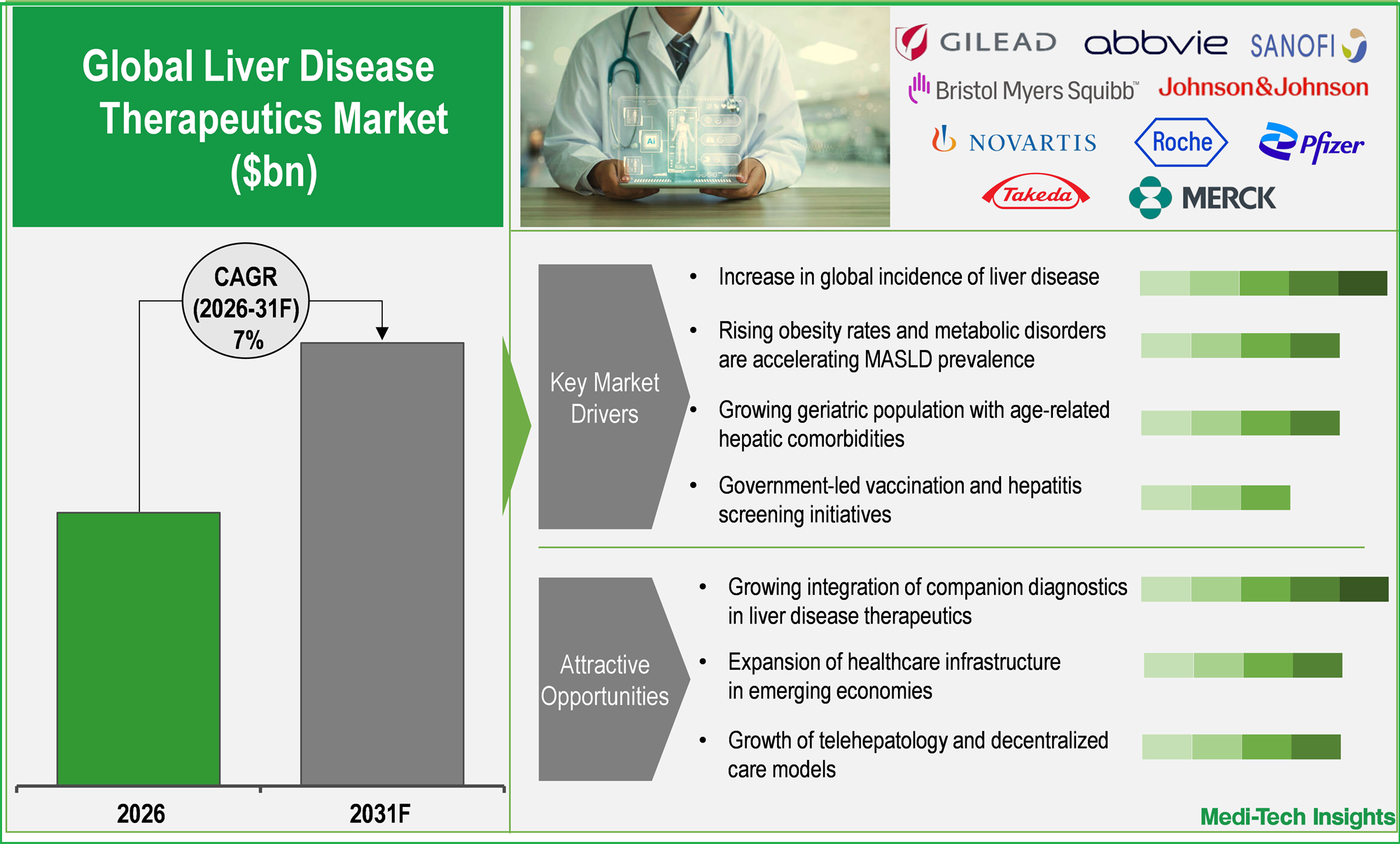
Growing integration of companion diagnostics in liver disease therapeutics to propel market growth
Companion diagnostics represent a significant and rapidly expanding field within liver disease therapeutics, driven by the growing adoption of precision medicine and advances in biomarker science. These diagnostic tools assess patient-specific
biological markers, including viral genotype, fibrosis stage, and metabolic profile, to determine the most appropriate therapeutic intervention, thereby improving clinical outcomes and minimizing exposure to ineffective treatments.
Technological advancements in genomic profiling and molecular testing are transforming companion diagnostics from simple confirmatory tools into central drivers of treatment selection in liver disease. By evaluating measurable biological criteria unique to each patient, these diagnostics enable clinicians to identify which individuals are most likely to respond to a specific therapy, supporting more precise and confident prescribing decisions.
This diagnostic-led approach is gradually shifting liver disease management away from broad, undifferentiated treatment protocols toward stratified care pathways tailored to individual patient profiles. As
genomic and biomarker technologies continue to evolve, companion diagnostics are expected to play an increasingly central role in guiding therapeutic decisions across the full spectrum of liver disease conditions.
Disease Type Segment Outlook
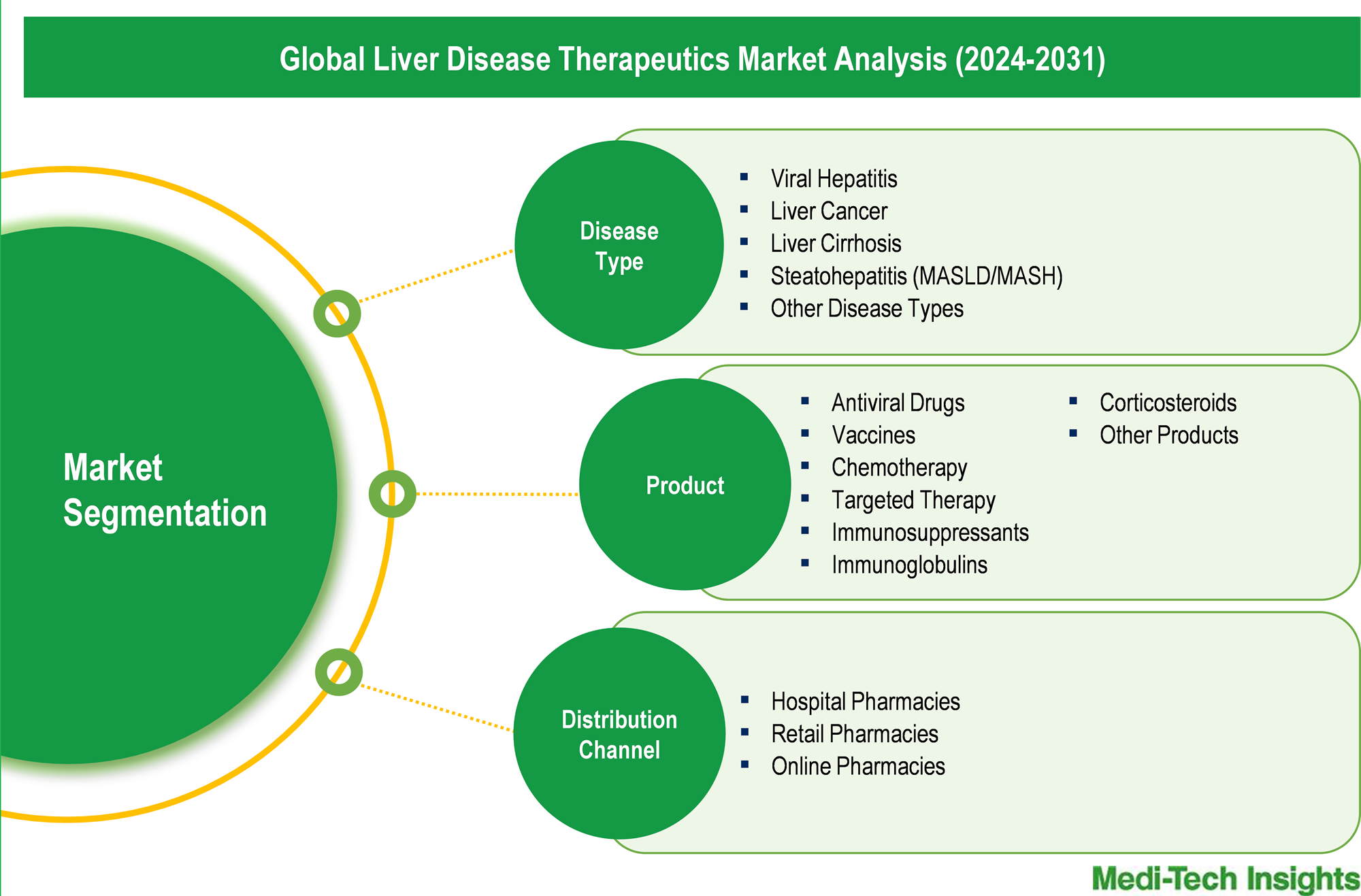
By disease type, the liver disease therapeutics market is categorized into viral hepatitis, steatohepatitis (MASLD/MASH), liver cancer, cirrhosis, and others, including autoimmune and cholestatic liver disorders. The viral hepatitis segment accounts for the largest share in the global market, supported by the sheer volume of chronic hepatitis B and C cases worldwide, long treatment durations associated with hepatitis B suppression, and continued reliance on pan-genotypic direct-acting antivirals. The segment scale is further reinforced by national immunization and screening programs that continue to expand the diagnosed patient pool.
The Steatohepatitis (MASLD/MASH) segment represents the fastest-growing category, propelled by the rising global prevalence of obesity and metabolic syndrome and approval of the disease-modifying therapy indicated for fibrosis improvement in this population. The segment's growth is further driven by an expanding late-stage pipeline of antifibrotic and antisteatotic candidates pursuing complementary mechanisms of action.
Liver cancer and cirrhosis-focused therapeutics are also gaining traction as diagnostic advancements enable earlier detection of hepatocellular carcinoma and decompensated liver disease. Moreover, treatment approaches in these segments are increasingly incorporating targeted therapies and combination immuno-oncology regimens, alongside interventional procedures to extend survival and improve quality of life for patients with advanced hepatic disease.
Regional Outlook: North America maintains its leading position in the liver disease therapeutics market through a shift from symptomatic management to disease-modifying therapies
North America holds a major share of the liver disease therapeutics market. The region's growth is driven by rapid clinical adoption of disease-modifying therapies and increasing physician focus on fibrosis-reversing treatment approaches. The region also benefits from the presence of key players, broad insurance coverage, and rising investment in liver disease research and development.
Europe follows closely, with growth driven by comprehensive national health systems and an increasing shift toward disease-modifying treatment protocols across major markets. Additionally, harmonized regulatory pathways and favorable reimbursement frameworks are further supporting market growth in the region. Asia-Pacific is expected to witness the fastest growth, driven by its large population base, high burden of chronic hepatitis B, and improving access to advanced liver disease therapeutics. Moreover, expanding government screening initiatives and improved healthcare infrastructure are further contributing to market expansion across the region.
Competitive Landscape Analysis
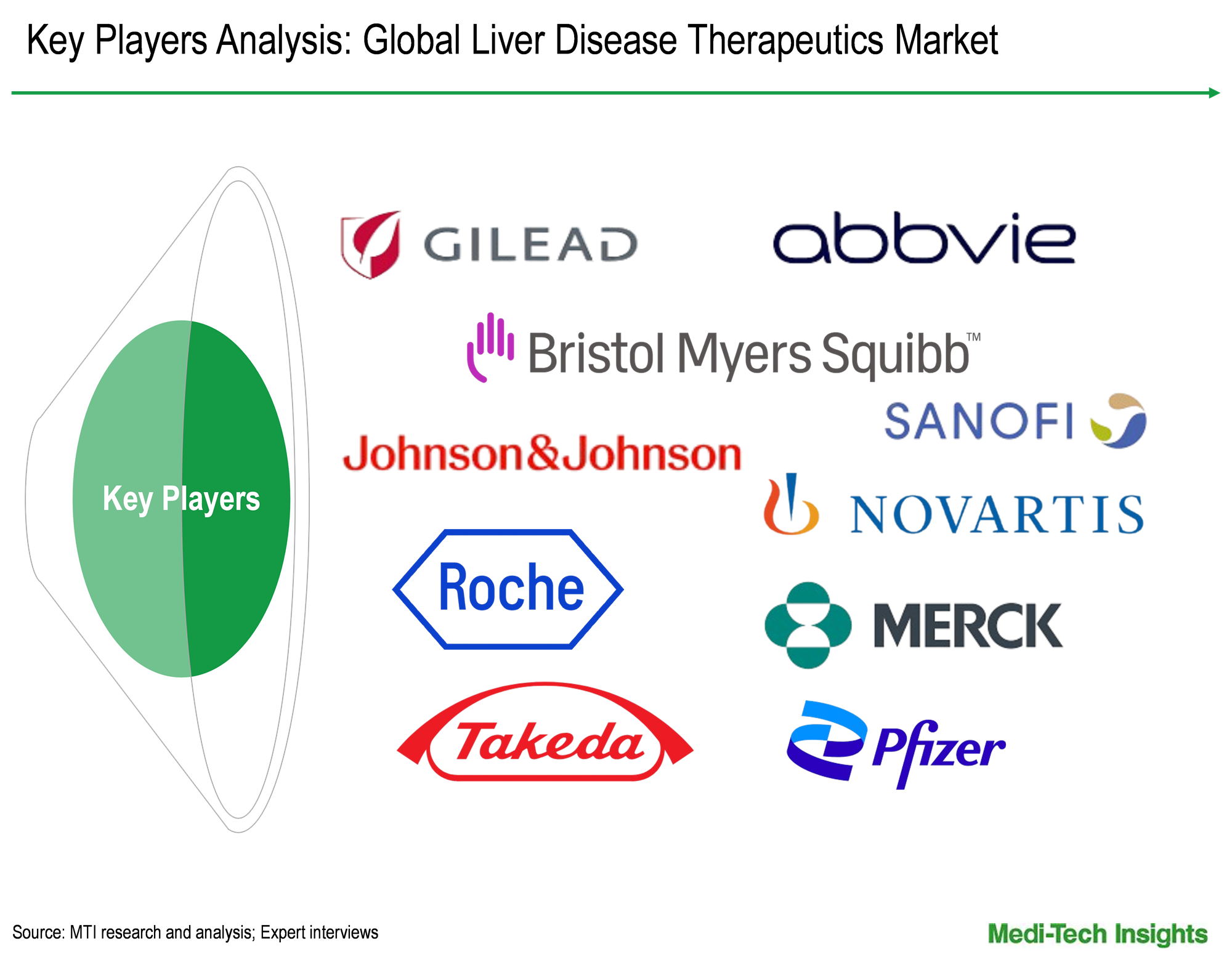
The global liver disease therapeutics market is marked by the presence of established and emerging market players such as-
• Gilead Sciences, Inc. (US)
• AbbVie Inc. (US)
• Bristol-Myers Squibb Company (US)
• F. Hoffmann-La Roche Ltd. (Switzerland)
• Takeda Pharmaceutical Company Limited (Japan)
• Johnson & Johnson Services, Inc. (US)
• Merck & Co., Inc. (US)
• Novartis AG (Switzerland)
• Pfizer Inc. (US)
• Sanofi (France)
Growth strategies adopted by players to establish their foothold in the liver disease therapeutics market
Players operating in this market are adopting various growth strategies such as new product launches and approvals, acquisitions, expansions, and strategic partnerships, agreements, and collaborations to garner market share. For instance,
§ In January 2026, Mirum Pharmaceuticals completed its acquisition of Bluejay Therapeutics, adding worldwide rights to brelovitug a late-stage, fully human monoclonal antibody for chronic hepatitis delta virus (HDV)
§ In July 2025, GSK completed its acquisition of efimosfermin alfa from Boston Pharmaceuticals, a phase III-ready, once-monthly FGF21 analog therapeutic in clinical development for the treatment of MASH, including cirrhosis and future development in alcohol-related liver disease
§ In March 2025, Takeda Pharmaceutical received approval from Japan's Ministry of Health, Labour and Welfare for Livmarli (maralixibat) Oral Solution, indicated for treating Alagille syndrome and progressive familial intrahepatic cholestasis, supporting Takeda's focus on addressing rare pediatric liver diseases with high unmet needs
§ In August 2024, the US FDA granted accelerated approval to Gilead Sciences' seladelpar (Livdelzi) for treating primary biliary cholangitis
§ In March 2024, Madrigal Pharmaceuticals received FDA approval for Rezdiffra (resmetirom), marking a historic milestone as the first and only medication approved by the FDA for the treatment of NASH/MASH, indicated for adults with noncirrhotic MASH with moderate to advanced liver fibrosis, to be used alongside diet and exercise
§ In February 2024, Gilead Sciences acquired CymaBay Therapeutics, adding an advanced primary biliary cholangitis therapy to its liver disease portfolio and strengthening its overall leadership in hepatology treatments
Report Scope
| Report Metric |
Details |
| Base Year Considered |
2025 |
| Historical Data |
2024 - 2025 |
| Forecast Period |
2026 - 2031 |
| Growth |
7% |
| Segment Scope | Disease Type, Product, Route of Administration, and Distribution Channel
|
| Regional Scope |
- North America (US & Canada)
- Europe (UK, Germany, France, Italy, Spain, Rest of Europe)
- Asia Pacific (China, India, Japan, Rest of Asia Pacific)
- Latin America
- Middle East & Africa
|
| Segment Scope |
Product Type, Application, and End-user |
| Market Drivers |
- Increasing global incidence of liver disease
- Rising obesity rates and metabolic disorders are accelerating MASLD prevalence
- Growing geriatric population with age-related hepatic comorbidities
- Government-led vaccination and hepatitis screening initiatives
- Increasing adoption of precision medicine approaches in liver disease treatment
|
| Attractive Opportunities |
- Rising global burden of liver cancer
- Growing integration of companion diagnostics in liver disease therapeutics
- Expansion of healthcare infrastructure in emerging economies
- Growth of telehepatology and decentralized care models
|
| Key Companies Mapped |
Gilead Sciences, Inc. (US); AbbVie Inc. (US); Bristol-Myers Squibb Company (US); F. Hoffmann-La Roche Ltd. (Switzerland); Takeda Pharmaceutical Company Limited (Japan); Johnson & Johnson Services, Inc. (US); Merck & Co., Inc. (US); Novartis AG (Switzerland); Pfizer Inc. (US); Sanofi (France); and others. |
| Report Highlights |
Market Size & Forecast, Growth Drivers & Restraints, Trends, Competitive Analysis |
Related reports for reference-
Global Targeted Drug Delivery Market Size Report Segmented by Technology (Nanoparticles, Liposomes, ADCs), Route of Administration (Injectable, Oral, Pulmonary, Transdermal, Nasal), Application (Oncology, CVDs, Neurological Disorders), Regional Forecast to 2031
Global Cell and Gene Therapy Market Size & Trends Report Segmented by Therapy Type (Cell, Gene), Indication (Oncology, Autoimmune Diseases, Others), End-user (Hospitals, Specialty Centers, Others) Industry Analysis & Regional Forecasts to 2030
Global Biopharmaceuticals Market Size & Trends Report Segmented by Product (mAbs, Recombinant Proteins, Vaccines, Gene & Cell Therapies), Type (Innovative, Biosimilars), Therapy Area (Oncology, Autoimmune Diseases, Infectious Diseases, Rare Diseases) Forecast to 2030

 Download FREE Sample