Download FREE Sample


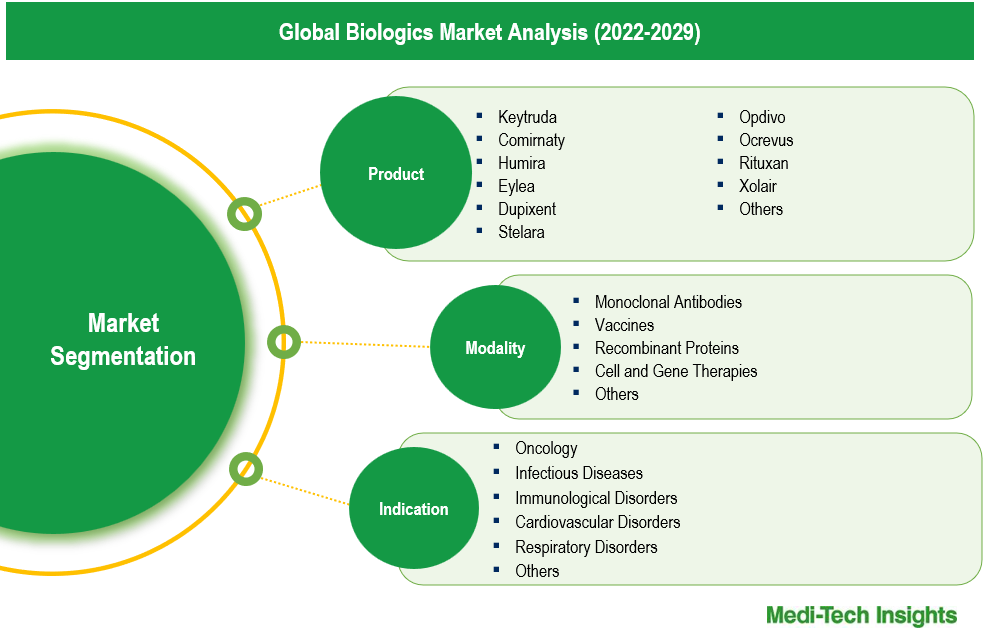
Biologics are a class of medications derived from living organisms, including proteins, sugars, and nucleic acids among others. They encompass a wide range of products such as vaccines, monoclonal antibodies, and gene therapies, which are often used to treat complex diseases like cancer and autoimmune disorders. Unlike traditional drugs, which are chemically synthesized, biologics are typically large, complex molecules that cannot be easily characterized. Their production involves biological processes and requires stringent quality control to ensure consistency and efficacy across batches. As advanced therapeutics, biologics represent a significant area of innovation in modern medicine.
To learn more about this report, download the PDF brochure
Rising prevalence of chronic diseases to propel market demand
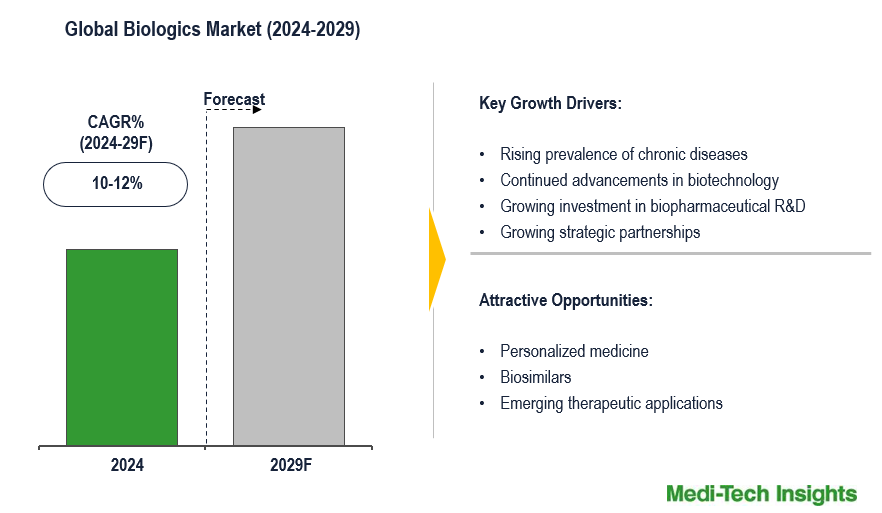
The rising prevalence of chronic diseases, such as cancer, diabetes, and autoimmune disorders, is significantly driving the biologics market. Biologics, including monoclonal antibodies, vaccines, and gene therapies, offer targeted, effective treatments for these complex conditions. As chronic diseases continue to increase globally due to aging populations and lifestyle factors, the demand for advanced therapies like biologics has surged. Biologics provide enhanced efficacy, reduced side effects, and personalized treatment options, making them critical in addressing the growing burden of chronic diseases. This trend is pushing pharmaceutical companies to invest heavily in biologic drug development and innovation.
Growing investment in biopharmaceutical R&D driving the market growth
Growing investment in biopharmaceutical R&D is a key driver of the biologics market. Pharmaceutical companies are increasingly allocating resources to develop innovative biologic therapies, recognizing their potential to treat complex diseases effectively. This surge in investment supports advancements in biotechnology, leading to the discovery of novel biologics, including monoclonal antibodies and cell therapies. Additionally, collaborations between academia, industry, and government institutions foster a conducive environment for R&D, accelerating the pipeline of biologic products. As a result, the increased focus on biopharmaceutical R&D is propelling market growth by expanding treatment options and enhancing patient outcomes.
To learn more about this report, download the PDF brochure
Competitive Landscape Analysis
The global biologics market is marked by the presence of established and emerging market players such as AbbVie Inc., Amgen Inc., Biogen, Bristol-Myers Squibb Company, Eli Lilly and Company, Johnson & Johnson, Merck & Co., Inc., Novartis AG, Novo Nordisk A/S, Pfizer Inc., Roche Holding AG, Samsung BioLogics and Sanofi; among others. Some of the key strategies adopted by market players include new product development, strategic partnerships and collaborations, and geographic expansion.
Biologics Market Scope
|
Report Scope |
Details |
|
Base Year Considered |
2023 |
|
Historical Data |
2022 - 2023 |
|
Forecast Period |
2024 - 2029 |
|
Growth Rate |
CAGR 10-12% |
|
Segment Scope |
Product, Modality, Type, Manufacturing, Indication |
|
Regional Scope |
|
|
Key Companies Mapped |
AbbVie Inc., Amgen Inc., Biogen, Bristol-Myers Squibb Company, Eli Lilly and Company, Johnson & Johnson, Merck & Co., Inc., Novartis AG, Novo Nordisk A/S, Pfizer Inc., Roche Holding AG, Samsung BioLogics and Sanofi; among others |
|
Report Highlights |
Market Size & Forecast, Growth Drivers & Restraints, Trends, Competitive Analysis |
Frequently Asked Questions About This Report
What are the key trends defining the market?
What is the market size & forecast of the biologics market?
What are the key strategies adopted by players?
Who are the major players operating in the market?
Which region has the highest share in the global market?
Need a More Tailored Analysis?
- Discuss the market sizing methodology and forecast assumptions with our healthcare analysts.
- Expand the scope with additional countries, market segments, technologies, or competitor profiling.
- Use the insights to support strategic planning, market entry, commercial due diligence, and long-term revenue growth initiatives.