

Global 3D Printed Wearables Market Size, Share, Growth & Trends Report Segmented by Product Type (Orthopedic Implants, Prosthetics, Surgical Instruments, Smart Watches, Fitness Trackers), End-user (Hospitals, Clinics, Rehab Centers, Home Care) & Regional Forecast to 2031
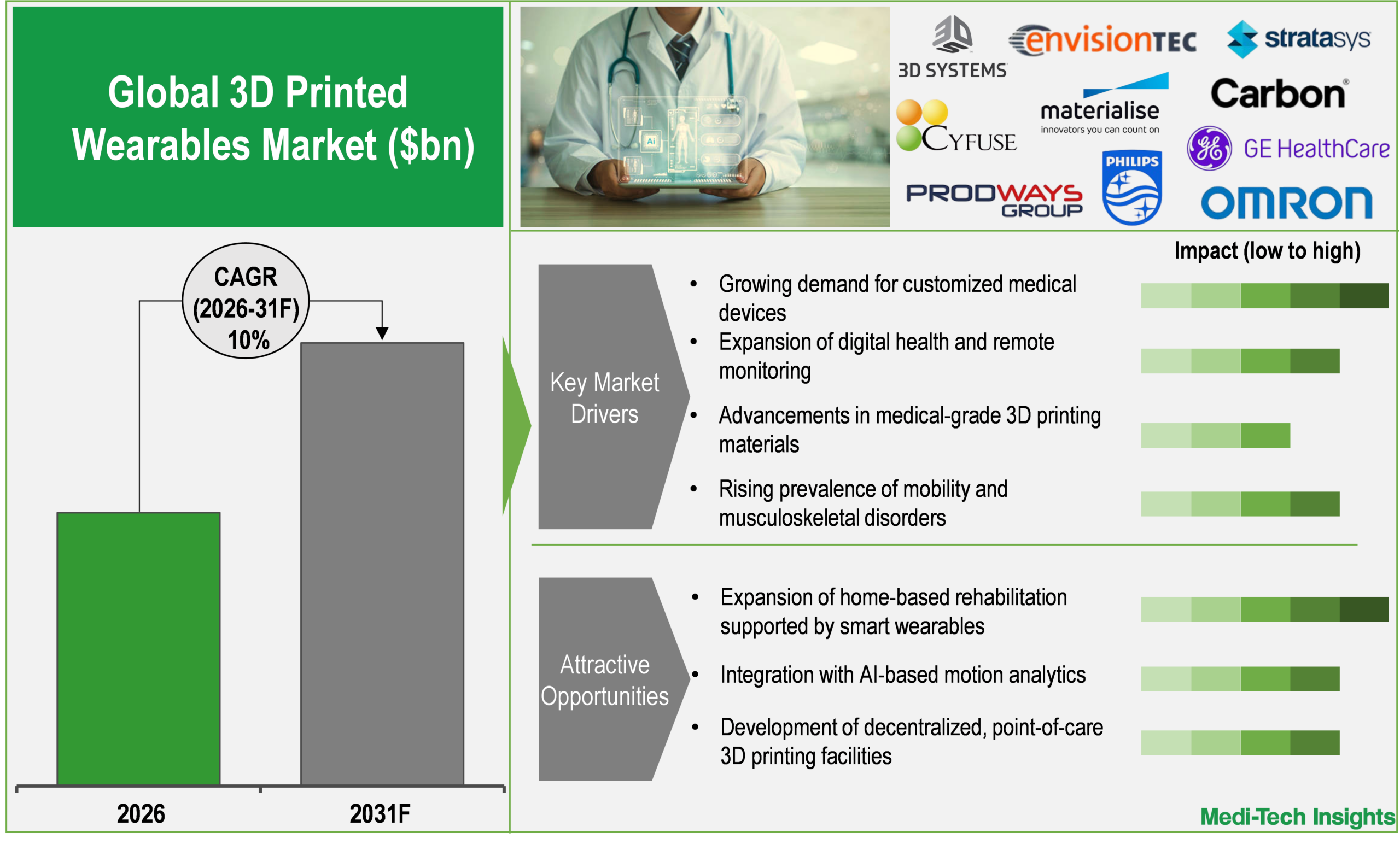
The global 3D printed wearables market is set to witness a growth rate of 10% in the next 5 years. Growth is supported by structural shifts in healthcare toward patient-centric care, increasing demand for customized medical devices, rising prevalence of mobility and musculoskeletal disorders, and improvements in 3D printing technologies that enable faster production with higher material reliability. To learn more about the research report, download a sample report.
The 3D Printed Wearables Market comprises medical-grade wearable devices that are designed, prototyped, or manufactured using additive manufacturing technologies. These products include customized orthotics, prosthetic components, braces, splints, rehabilitation supports, and patient-specific monitoring wearables. These products are crafted in both rigid and flexible wearable formats, using materials such as medical polymers, elastomers, resins, and increasingly, multi-material composites that allow integration of sensors or electronic elements. Unlike conventional wearables, 3D printed wearables are developed using patient anatomical data derived from 3D scanning and advanced imaging systems, thereby enabling high levels of personalization in fit, structure, and functionality. These devices are used across various healthcare settings for applications including physical rehabilitation, mobility assistance, post-surgical recovery, and long-term chronic condition management.
The rise of 3D printing in personalized healthcare wearables to drive market growth
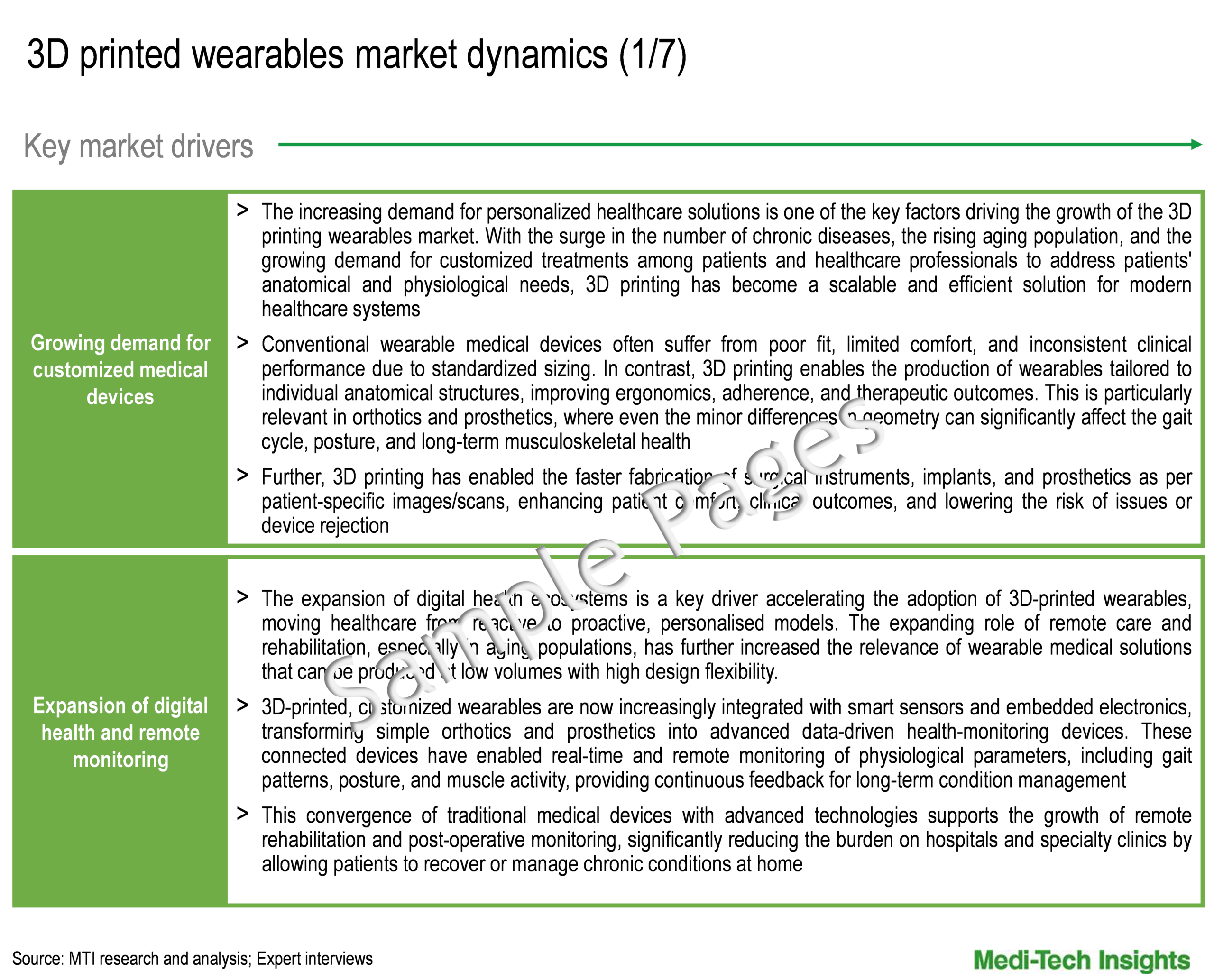
The increasing demand for personalized healthcare solutions is one of the key factors driving the growth of the 3D printing wearables market. With the surge in the number of chronic diseases, the rising aging population, and the growing demand for customized treatments among patients and healthcare professionals to address patients' anatomical and physiological needs, 3D printing has become a scalable and efficient solution for modern healthcare systems.
Conventional wearable medical devices often suffer from poor fit, limited comfort, and inconsistent clinical performance due to standardized sizing. In contrast, 3D printing enables the production of wearables tailored to individual anatomical structures, improving ergonomics, adherence, and therapeutic outcomes. This is particularly relevant in orthotics and prosthetics, where even the minor differences in geometry can significantly affect the gait cycle, posture, and long-term musculoskeletal health. Customized splints, braces, and exoskeletal supports are revolutionizing rehabilitation by offering bespoke, lightweight, and durable alternatives.
Further, 3D printing has enabled the faster fabrication of surgical instruments, implants, and prosthetics as per patient-specific images/scans, enhancing patient comfort, clinical outcomes, and lowering the risk of issues or device rejection. Additionally, the process allows quick surgical planning and shorter lead times, which is especially advantageous for trauma and reconstructive surgeries. To conclude, 3D printing is transforming the medical industry by shifting from "one-size-fits-all" products towards high-precision, patient-specific, and wearable solutions.
To learn more about this report, download the PDF brochure
3D printed wearables in remote care: Bridging the gap in digital health and personalized medicine
The expansion of digital health ecosystems is a key driver accelerating the adoption of 3D-printed wearables, moving healthcare from reactive to proactive, personalized models. The expanding role of remote care and rehabilitation, especially in aging populations, has further increased the relevance of wearable medical solutions that can be produced at low volumes with high design flexibility. 3D-printed, customized wearables are now increasingly integrated with smart sensors and embedded electronics, transforming simple orthotics and prosthetics into advanced data-driven health-monitoring devices. These connected devices have enabled real-time and remote monitoring of physiological parameters, including gait patterns, posture, and muscle activity, providing continuous feedback for long-term condition management. This convergence of traditional medical devices with advanced technologies supports the growth of remote rehabilitation and post-operative monitoring, significantly reducing the burden on hospitals and specialty clinics by allowing patients to recover or manage chronic conditions at home.
Furthermore, the integration of 3D printing with digital health platforms allows for the customization of devices at the point of care, where wearable designs can be adjusted to individual patient anatomy, increasing comfort and compliance. This synergy between AI-driven data analytics and additive manufacturing has enabled the development of adaptive wearables that change based on patient needs, such as 3D-printed insoles for diabetic patients that improve mobility while tracking pressure points. Overall, the integration of 3D printing with digital health infrastructure is enabling scalable, patient-specific wearable solutions that support continuous remote monitoring, decentralized care delivery, and personalized healthcare through real-time data collection and connected care platforms.
Technological Advancements: Multi-material 3D printing and hybrid wearables fueling market demand
Multi-material 3D printing is a transformative technology in the medical device field, allowing for the simultaneous use of diverse materials in a single production process. This capability is essential for creating devices that require both rigid and flexible components to replicate the intricate characteristics of human tissues.
A key innovation of this advancement is the development of hybrid wearables that combine mechanical support with embedded digital functionality. Manufacturers are moving beyond passive orthotics by integrating 3D-printed structural components with embedded sensors, flexible electronics, and conductive filaments. These advanced systems, including personalized exoskeletons, smart orthopedic braces, and smart insoles, provide real-time feedback, tracking joint mobility and patient compliance along with active therapeutic assistance to aid in rehabilitation. By combining structural customization with real-time digital monitoring, multi-material 3D printing is poised to revolutionize rehabilitative care, offering patients more personalized, efficient, and comfortable therapeutic experiences.
To learn more about this report, download the PDF brochure
Product Segment Outlook
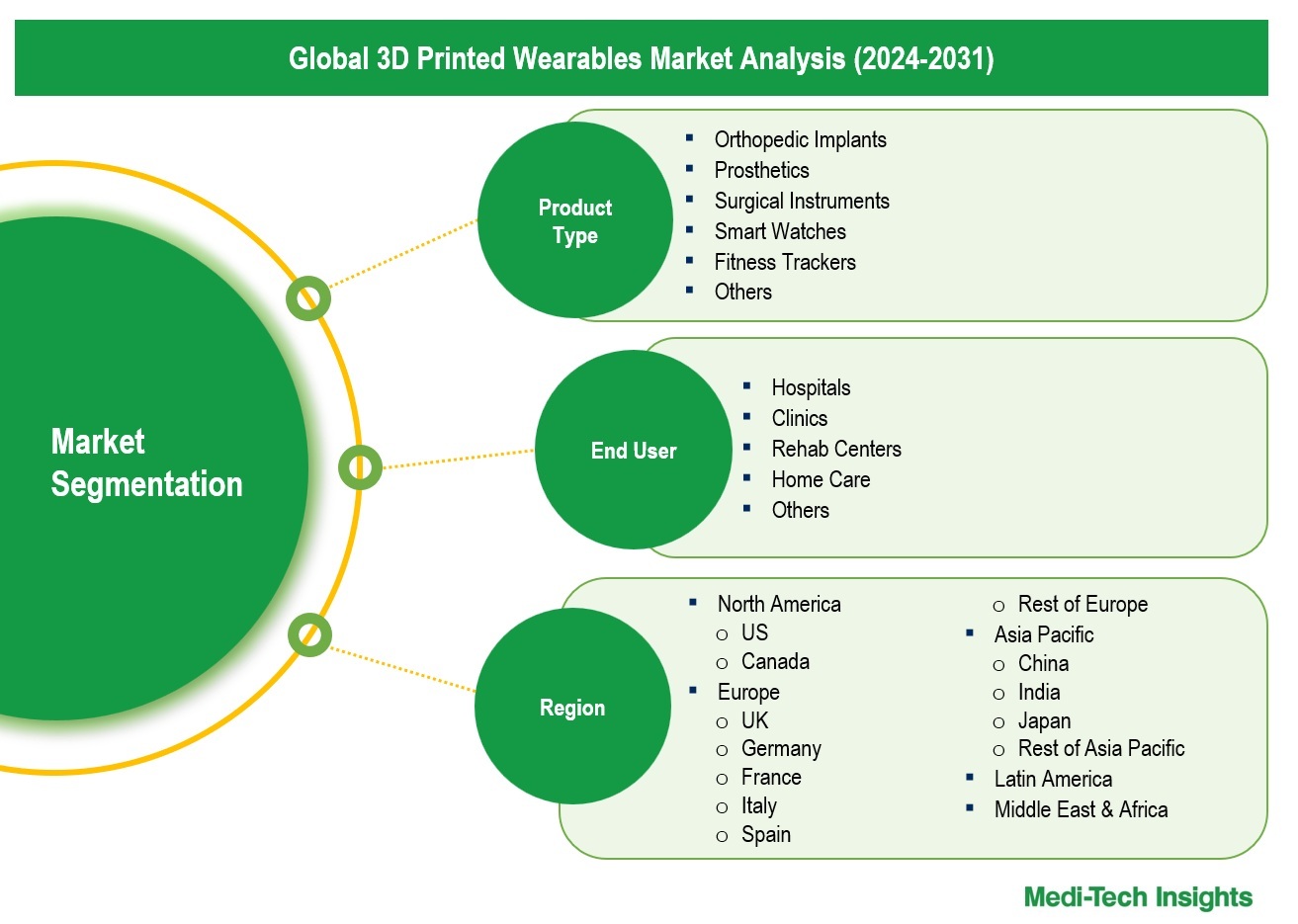
The 3D printed wearables market product type segment is primarily divided into prosthetics, orthopedic implants, surgical instruments, smart watches, and fitness trackers, among others. Orthopedic implants are the fastest-growing segment in the 3D printed wearables market, primarily due to advancements in biocompatible materials and the need for patient-specific implants. 3D printing allows clinicians to rapidly produce lightweight, anatomically matched orthoses that improve patient comfort and functional performance. Further, the prosthetics segment also holds a major share of the market, driven by rising amputations, road accidents, and a growing demand for cost-effective, customized limbs. The surgical instruments segment is also growing rapidly due to the high demand for patient-specific guides and templates that improve precision, often developed via point-of-care, 3D printing in hospitals to enhance surgical workflows. Lastly, smart watches and fitness trackers are also witnessing substantial growth as these products are developed using 3D printing to create custom-fit, ergonomic, and lightweight housings and straps, often integrating smart, sensor-laden, biocompatible materials for better comfort.
Regional Outlook: North America is expected to hold a major share in the 3D printed wearables market
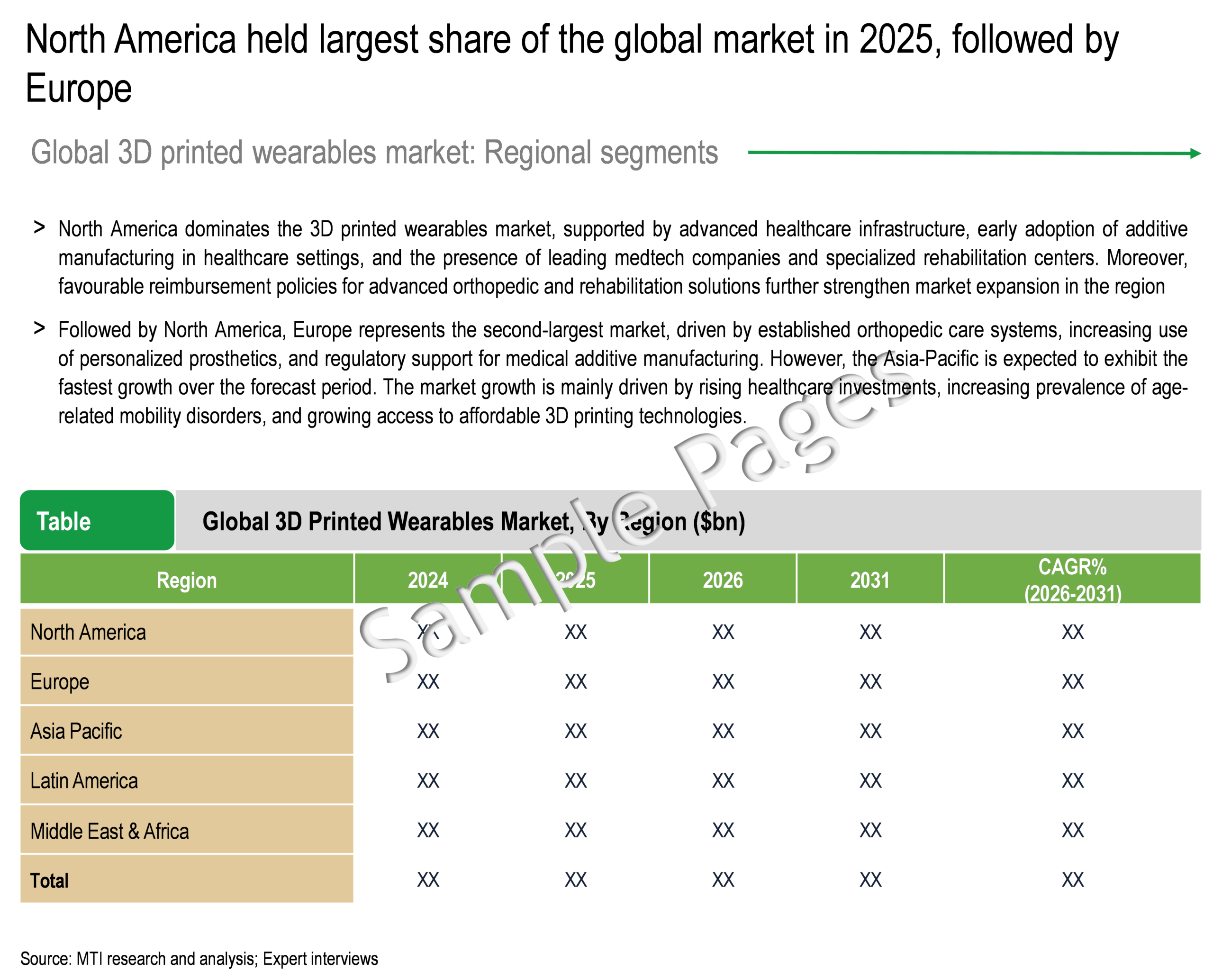
North America dominates the 3D printed wearables market, supported by advanced healthcare infrastructure, early adoption of additive manufacturing in healthcare settings, and the presence of leading medtech companies and specialized rehabilitation centers. Moreover, favourable reimbursement policies for advanced orthopedic and rehabilitation solutions further strengthen market expansion in the region.
Followed by North America, Europe represents the second-largest market, driven by established orthopedic care systems, increasing use of personalized prosthetics, and regulatory support for medical additive manufacturing. However, the Asia-Pacific is expected to exhibit the fastest growth over the forecast period. The market growth is mainly driven by rising healthcare investments, increasing prevalence of age-related mobility disorders, and growing access to affordable 3D printing technologies.
Competitive Landscape Analysis
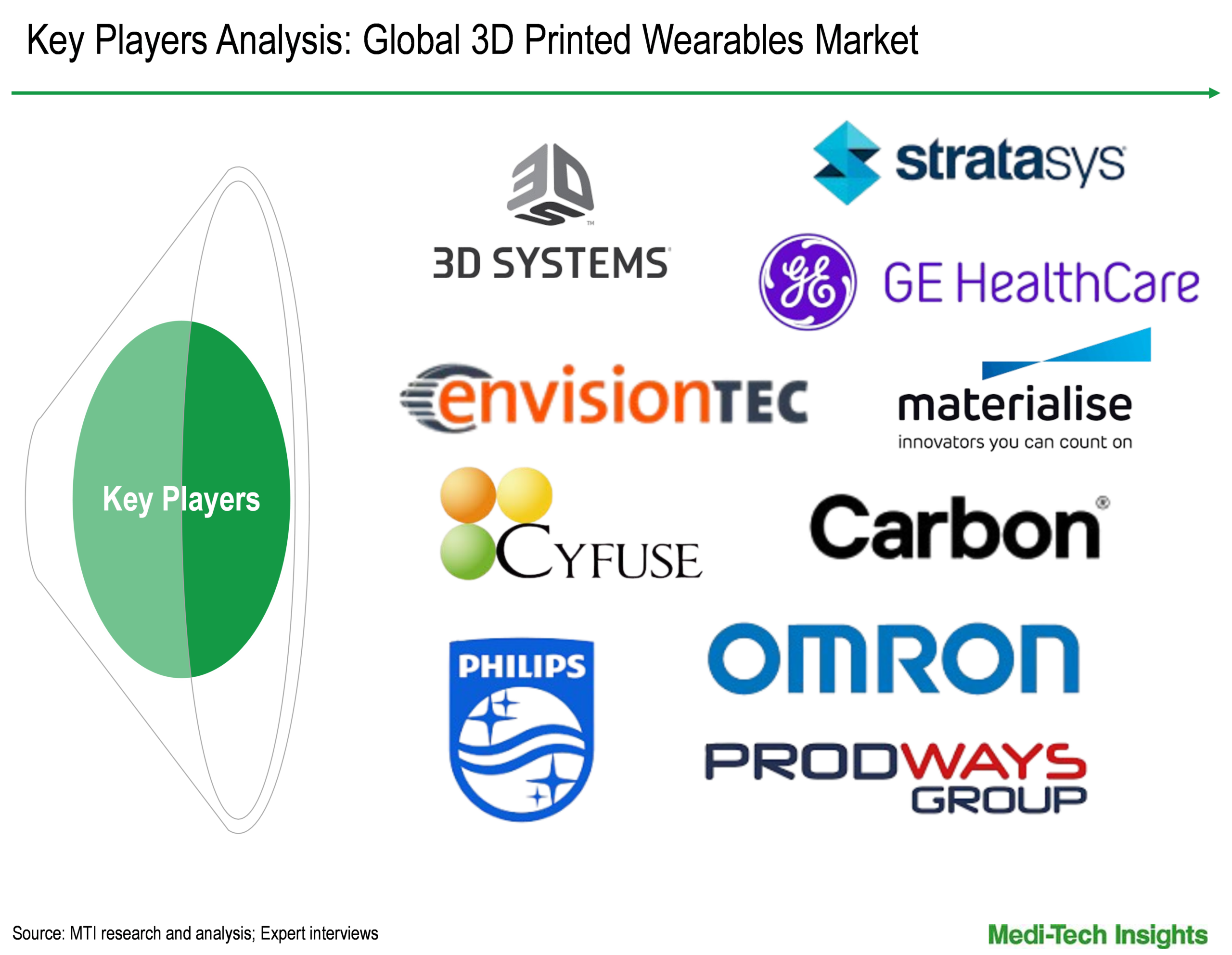
The global 3D printed wearables market is marked by the presence of established and emerging market players such as 3D Systems, Inc (US); EnvisionTEC (Desktop Metal) (Germany); Stratasys Ltd (Isreal); GENERAL ELECTRIC (US); CYFUSE BIOMEDICAL K.K. (Japan); Koninklijke Philips N.V. (Netherlands); Materialise NV (Belgium); OMRON Corporation (Japan); Prodways Group (France); and Carbon, Inc. (US), among others. Some of the key strategies adopted by market players include product innovation and development, strategic partnerships and collaborations, mergers and acquisitions, and geographic expansion.
Get a sample report for competitive landscape analysis
Report Scope
|
Report Metric |
Details |
|
Base Year Considered |
2025 |
|
Historical Data |
2024 – 2025 |
|
Forecast Period |
2026 – 2031 |
|
Growth Rate |
10% |
|
Segment Scope |
Product Type and End User |
|
Regional Scope |
|
|
Market Drivers |
|
|
Attractive Opportunities |
|
|
Key Companies Mapped |
3D Systems, Inc (US); EnvisionTEC (Desktop Metal) (Germany); Stratasys Ltd (Israel); GENERAL ELECTRIC (US); CYFUSE BIOMEDICAL K.K. (Japan); Koninklijke Philips N.V. (Netherlands); Materialise NV (Belgium); OMRON Corporation (Japan); Prodways Group (France); and Carbon, Inc. (US), among others |
|
Report Highlights |
Market Size & Forecast, Growth Drivers & Restraints, Trends, Competitive Analysis |
Global 3D Printed Wearables Market Segmentation
This report by Medi-Tech Insights provides the size of the global 3D printed wearables market at the regional and country-level from 2024 to 2031. The report further segments the market based on product type and end-user.
Market Size & Forecast (2024-2031), By Product Type, USD Billion
- Orthopedic Implants
- Prosthetics
- Surgical Instruments
- Smart Watches
- Fitness Trackers
- Others
Market Size & Forecast (2024-2031), By End-user, USD Billion
- Hospitals
- Clinics
- Rehab Centers
- Home Care
- Others
Market Size & Forecast (2024-2031), By Region, USD Billion
- North America
- US
- Canada
- Europe
- UK
- Germany
- France
- Italy
- Spain
- Rest of Europe
- Asia Pacific
- China
- India
- Japan
- Rest of Asia Pacific
- Latin America
- Middle East & Africa
Related Reports
The study has been compiled based on extensive primary and secondary research.
Secondary Research (Indicative List)

Primary Research
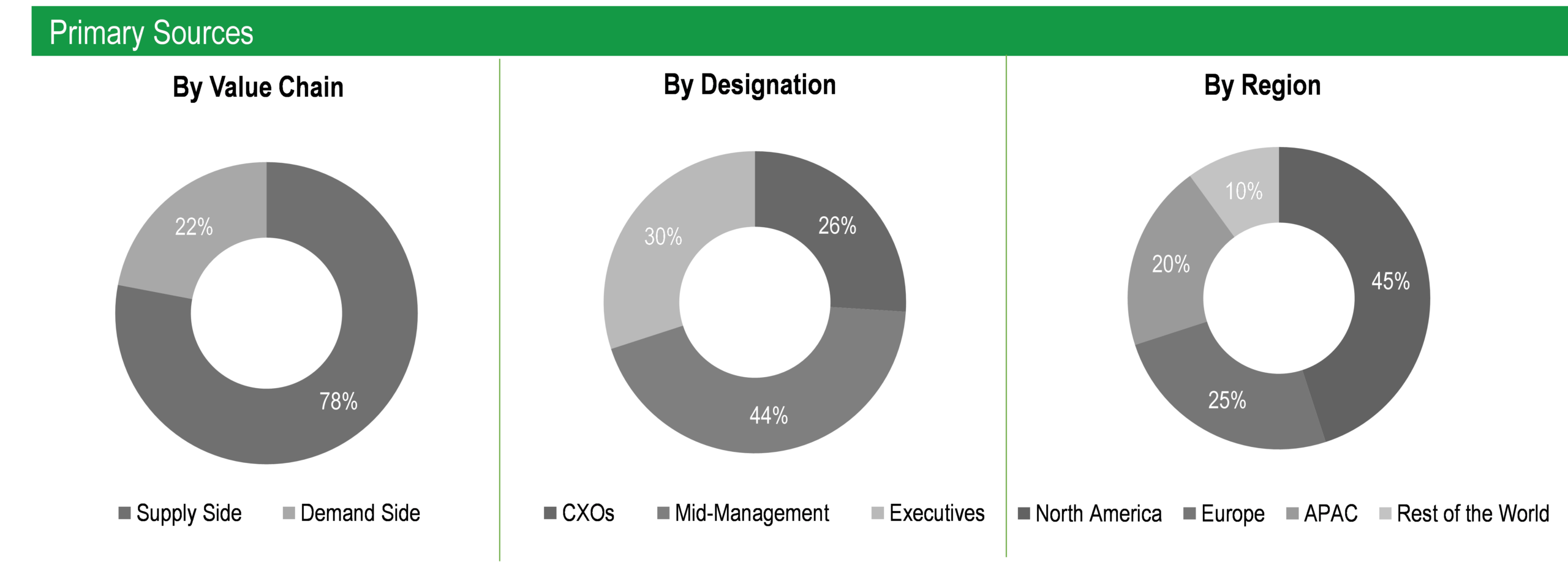
To validate research findings (market size & forecasts, market segmentation, market dynamics, competitive landscape, key industry trends, etc.), extensive primary interviews were conducted with both supply and demand-side stakeholders.
Supply Side Stakeholders:
- Senior Management Level: CEOs, Presidents, Vice-Presidents, Directors, Chief Technology Officers, Chief Commercial Officers
- Mid-Management Level: Product Managers, Sales Managers, Brand Managers, R&D Managers, Business Development Managers, Consultants
Demand Side Stakeholders:
- Hospitals, Clinics, Home Care, and Others
Breakdown of Primary Interviews
Market Size Estimation
Both ‘Top-Down & Bottom-Up Approaches’ were used to derive market size estimates and forecasts
Data Triangulation
Research findings derived through secondary sources & internal analysis was validated with Primary Interviews, Internal Knowledge Repository and Company’s Sales Data

Features of the Report
- Comprehensive Market Coverage
- Market Size and Forecast
- Geographic & Segment Deep Dives
- Strategic Insights & Competitive Landscape
- Timely & Updated Data
- Growth Indicators & Future Outlook
- Quick Turnaround on Queries
- Analyst Support
- Report Customization Available
- Reports in PDF & Excel
