

Global Minimal Residual Disease (MRD) Testing Market Size & Trends Report Segmented by Offering (Assay Kits/Reagents, Instruments, Services), Technology (PCR, NGS), Application (Haematological Malignancies, Solid Tumours), End-user (Hospitals, Specialty Clinics), & Regional Forecast to 2031
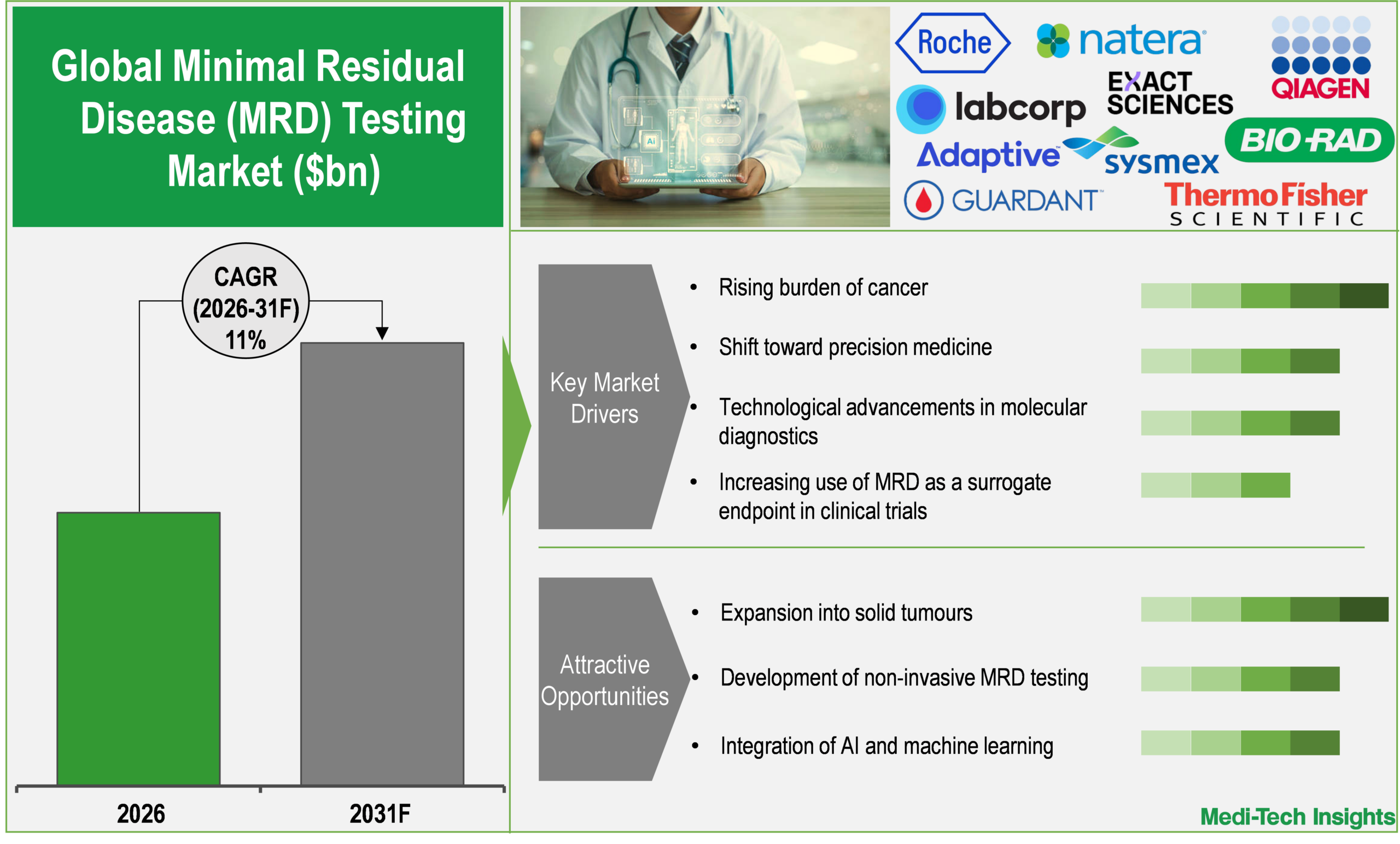
The global Minimal Residual Disease Testing Market size is set to witness a growth rate of 11% in the next 5 years. Rising burden of cancer, shift toward precision medicine, technological advancements in molecular diagnostics, increasing use of MRD as a surrogate endpoint in clinical trials, and growing emphasis on early detection and disease monitoring are some of the key factors driving the MRD testing market. To learn more about the research report, download a sample report.
Minimal residual disease (MRD) testing is an advanced method of diagnosing and monitoring cancer, using precise diagnostics, to determine whether there are residual cancer cells still present in the body following therapy. These residual cancer cells can remain undetected by standard techniques but may eventually cause relapse if not detected early. minimal residual disease testing utilizes advanced technologies, such as next generation sequencing, polymerase chain reaction (PCR), and multiparameter flow cytometry, among others, to provide deep detection levels. MRD is routinely performed in patients with hematologic malignancies to evaluate treatment response, direct further treatments, provide an estimate of prognosis, and tailor individual treatment plans for each patient.
Rising burden of cancer to propel market demand
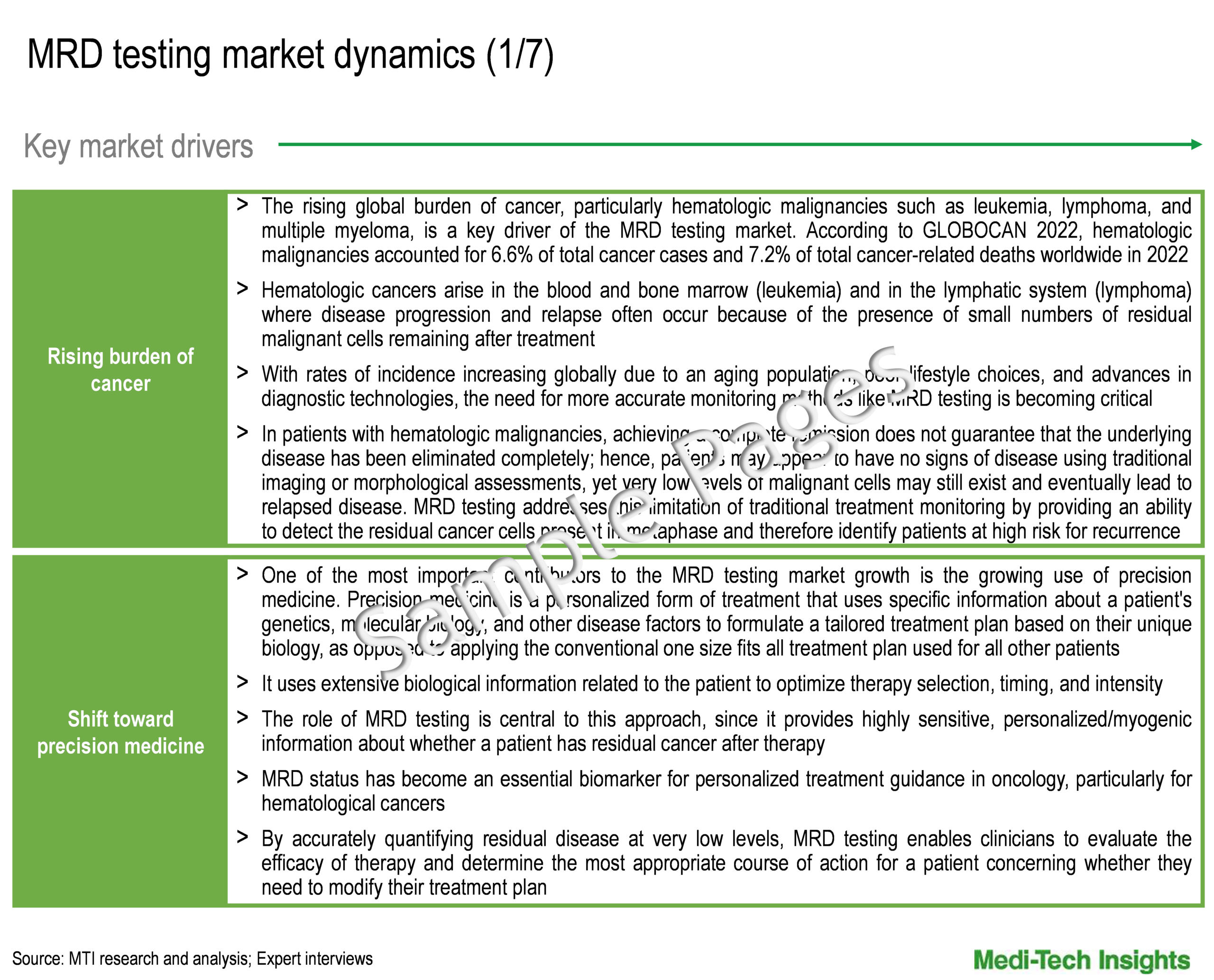
The rising global burden of cancer, particularly hematologic malignancies such as leukemia, lymphoma, and multiple myeloma, is a key driver of the minimal residual disease testing market. According to GLOBOCAN 2022, hematologic malignancies accounted for 6.6% of total cancer cases and 7.2% of total cancer-related deaths worldwide in 2022. Hematologic cancers arise in the blood and bone marrow (leukemia) and in the lymphatic system (lymphoma) where disease progression and relapse often occur because of the presence of small numbers of residual malignant cells remaining after treatment. With rates of incidence increasing globally due to an aging population, poor lifestyle choices, and advances in diagnostic technologies, the need for more accurate monitoring methods like minimal residual disease testing is becoming critical.
In patients with hematologic malignancies, achieving a complete remission does not guarantee that the underlying disease has been eliminated completely; hence, patients may appear to have no signs of disease using traditional imaging or morphological assessments, yet very low levels of malignant cells may still exist and eventually lead to relapsed disease. MRD testing addresses this limitation of traditional treatment monitoring by providing an ability to detect the residual cancer cells present in metaphase and therefore identify patients at high risk for recurrence. minimal residual disease testing provides an objective means of measuring whether a patient is likely to experience disease recurrence post-remission and, consequently, is a useful method to evaluate treatment response and risk for recurrence.
The increase in hematologic malignancies has created an increased demand for personalized treatment approaches where MRD status can determine treatment decisions in cancer care. Physicians can use MRD results to adjust therapy intensity, determine the need for stem cell transplantation, or evaluate the effectiveness of targeted therapies and immunotherapies, causing MRD testing to become part of standard care protocols across oncology.
The growing volume of patients diagnosed with hematologic malignancies has created a greater need for diagnostic testing and long-term disease monitoring resulting in an expanding minimal residual disease testing market. Hence, many healthcare systems are implementing MRD based monitoring to improve patient outcomes, decrease the number of relapses, and reduce the cost of treatment. Additionally, with increasing research activity and clinical trials related to hematologic malignancies incorporating MRD as a primary endpoint in the development of new therapies, this is likely to continue to drive greater adoption of MRD testing. Overall, the increasing burden of hematologic cancers has created a sustainable demand for advanced MRD testing solutions.
To learn more about this report, download the PDF brochure
Shift toward precision medicine is driving the market growth
One of the most important contributors to the minimal residual disease testing market growth is the growing use of precision medicine. Precision medicine is a personalized form of treatment that uses specific information about a patient's genetics, molecular biology, and other disease factors to formulate a tailored treatment plan based on their unique biology, as opposed to applying the conventional one size fits all treatment plan used for all other patients. It uses extensive biological information related to the patient to optimize therapy selection, timing, and intensity. The role of MRD testing is central to this approach, since it provides highly sensitive, personalized/myogenic information about whether a patient has residual cancer after therapy.
Minimal residual disease (MRD) testing status has become an essential biomarker for personalized treatment guidance in oncology, particularly for hematological cancers. By accurately quantifying residual disease at very low levels, MRD testing enables clinicians to evaluate the efficacy of therapy and determine the most appropriate course of action for a patient concerning whether they need to modify their treatment plan. For example, patients with an undetectable MRD could reduce their therapy regimen's intensity, reducing the risk of toxicity and improving their quality of life. In contrast, patients with detectable MRD need to increase their therapy intensity or use a different treatment strategy to avoid recurrence.
MRD testing also permits risk stratification i.e., classifying patients into different groups based on their relative risk of relapse, thereby providing clinicians with an additional tool for making an informed decision about long-term management, maintenance therapy and follow-up frequency. The current shift to value-based care within healthcare systems makes the ability of MRD testing to improve treatment outcomes while minimizing unnecessary interventions further contributing to the role of precision medicine.
Overall, the trend towards precision medicine is accelerating MRD testing adoption and demonstrating its value as an essential tool for individualized cancer care, improving prognostication and providing tools for better therapeutic decision-making.
To learn more about this report, download the PDF brochure
Application Segment Outlook
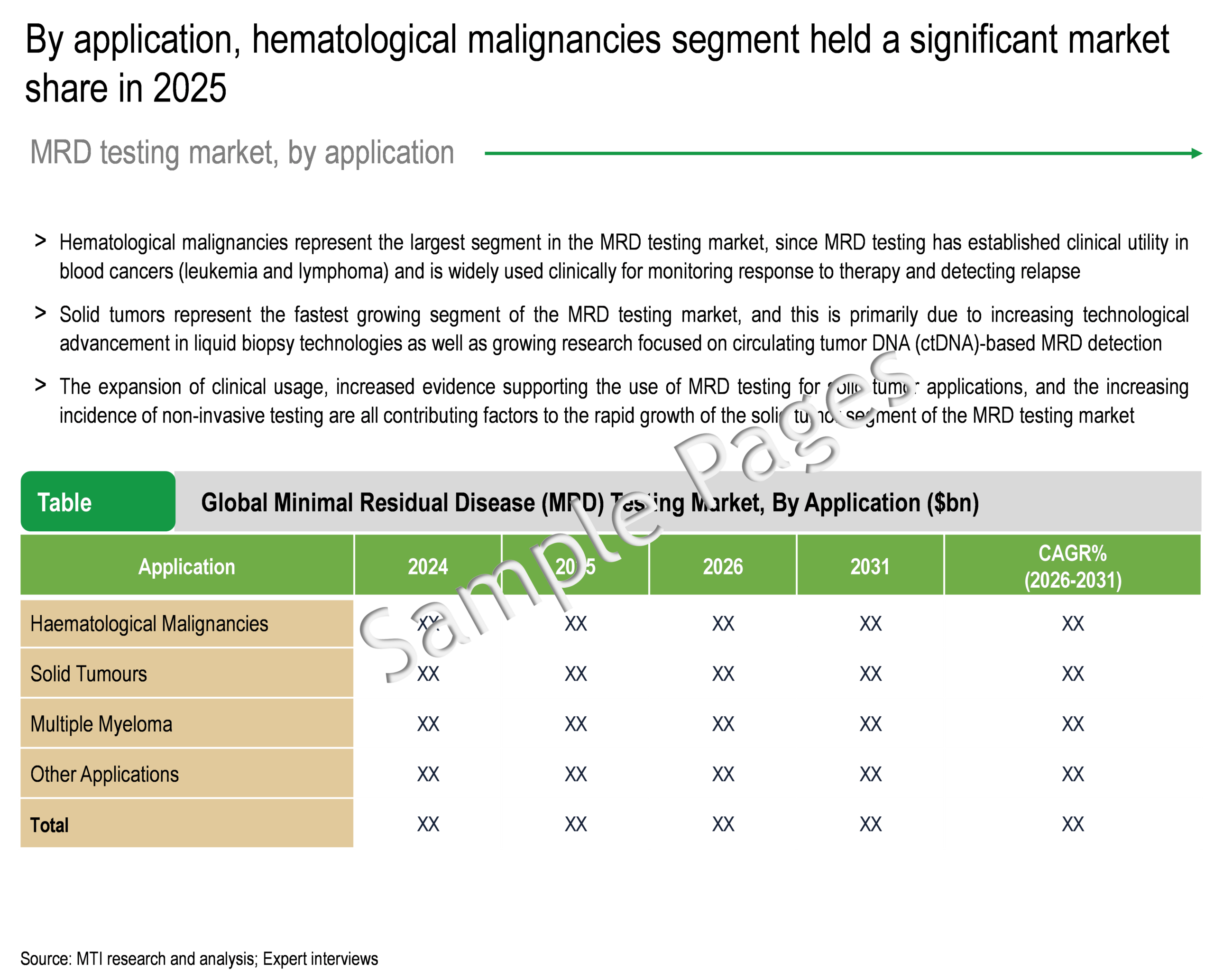
Hematological malignancies represent the largest segment in the MRD testing market, since MRD testing has established clinical utility in blood cancers (leukemia and lymphoma) and is widely used clinically for monitoring response to therapy and detecting relapse. Solid tumors represent the fastest growing segment of the MRD testing market, and this is primarily due to increasing technological advancement in liquid biopsy technologies as well as growing research focused on circulating tumor DNA (ctDNA)-based MRD detection. The expansion of clinical usage, increased evidence supporting the use of MRD testing for solid tumor applications, and the increasing incidence of non-invasive testing are all contributing factors to the rapid growth of the solid tumor segment of the MRD testing market.
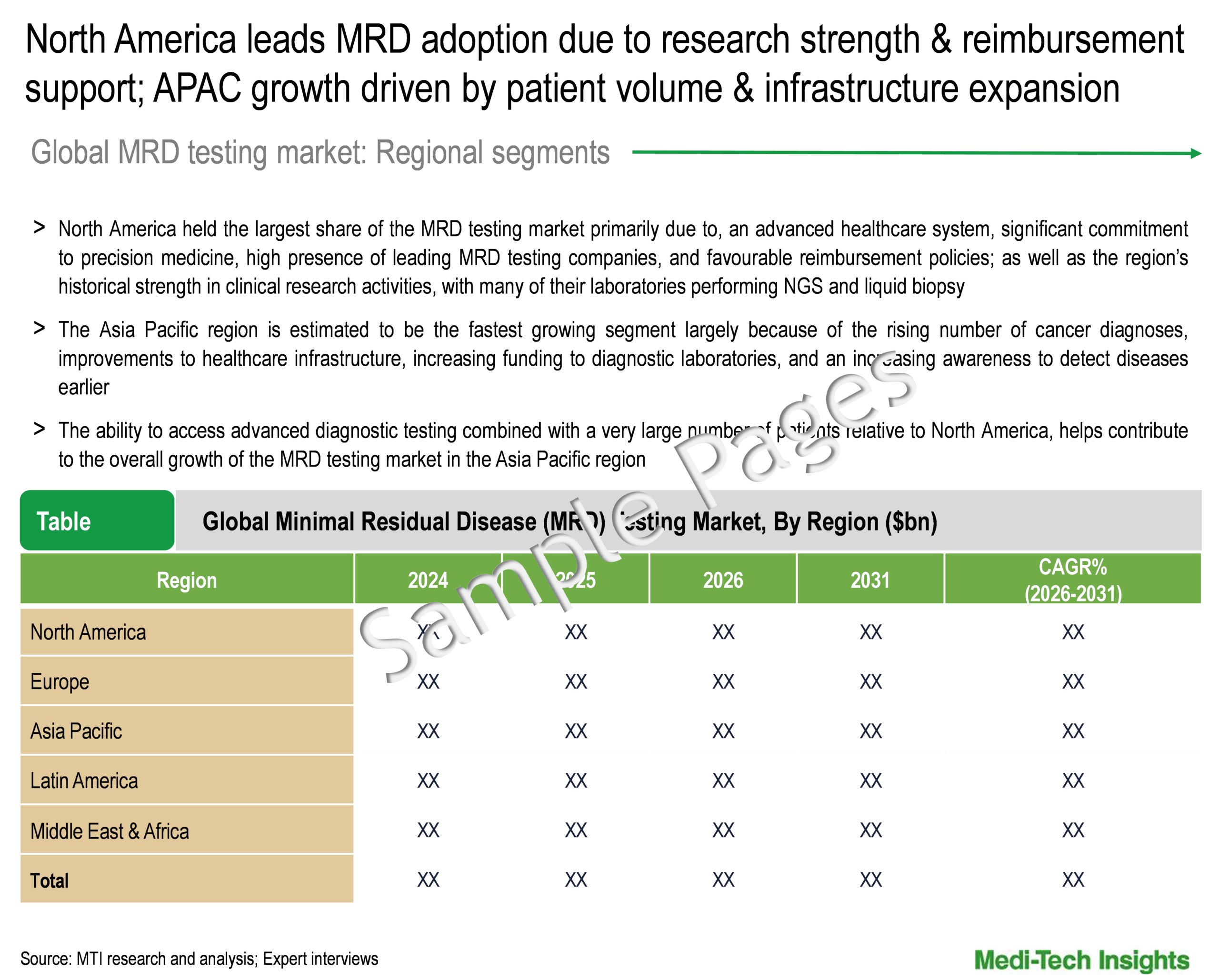
North America leads MRD adoption due to research strength & reimbursement support; APAC growth driven by patient volume & infrastructure expansion
North America held the largest share of the minimal residual disease (MRD) testing market primarily due to, an advanced healthcare system, significant commitment to precision medicine, high presence of leading MRD testing companies, and favourable reimbursement policies; as well as the region’s historical strength in clinical research activities, with many of their laboratories performing NGS and liquid biopsy. The Asia Pacific region is estimated to be the fastest growing segment largely because of the rising number of cancer diagnoses, improvements to healthcare infrastructure, increasing funding to diagnostic laboratories, and an increasing awareness to detect diseases earlier. The ability to access advanced diagnostic testing combined with a very large number of patients relative to North America, helps contribute to the overall growth of the MRD testing market in the Asia Pacific region.
Competitive Landscape Analysis
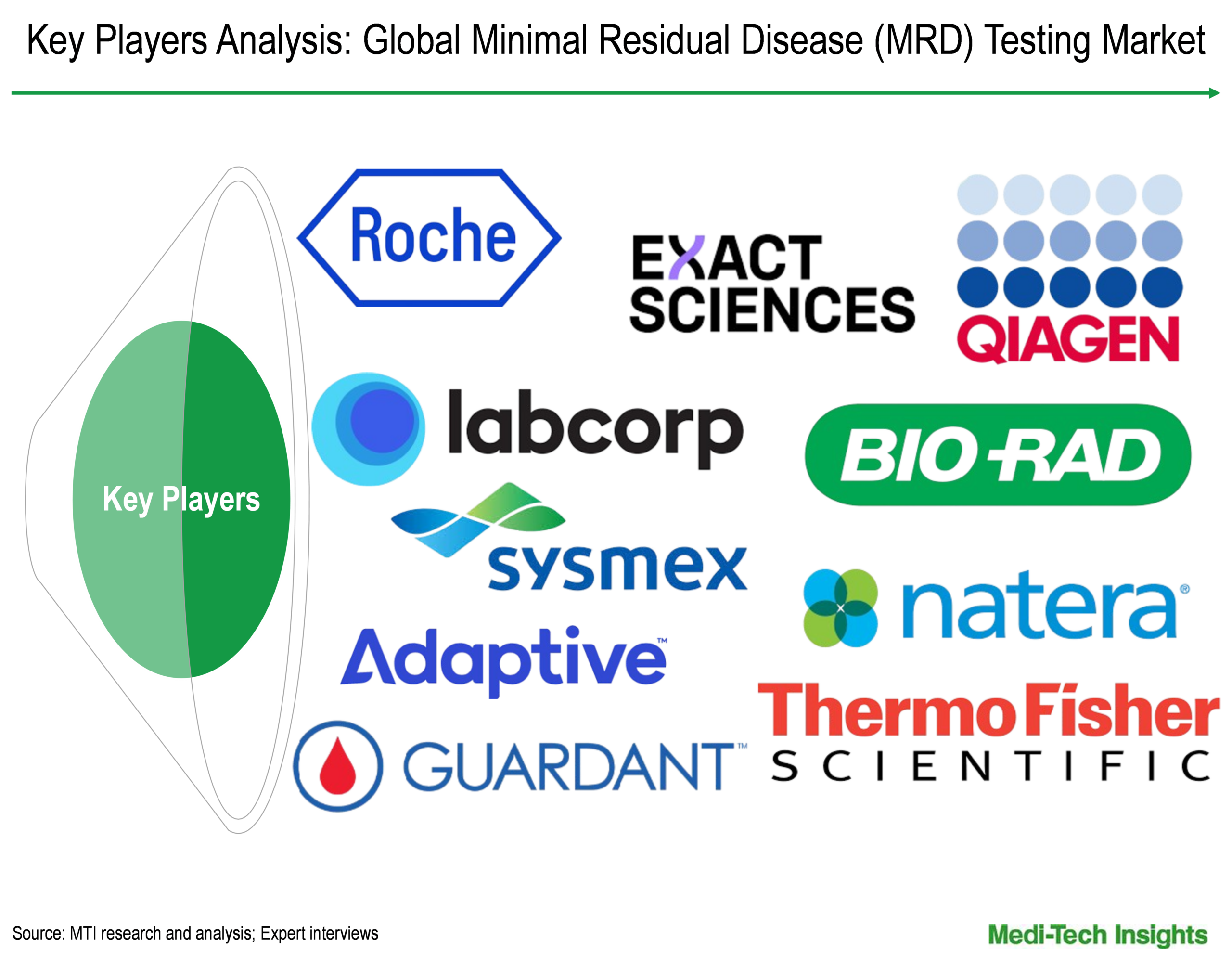
The global minimal residual disease testing market is marked by the presence of established and emerging market players such as F. Hoffmann-La Roche Ltd (Switzerland); Labcorp (US); Guardant Health, Inc. (US); Adaptive Biotechnologies (US); Natera, Inc. (US); Exact Sciences Corporation (US); QIAGEN (the Netherlands); Bio-Rad Laboratories (US), Inc.; Sysmex Corporation (Japan); and Thermo Fisher Scientific Inc. (US); among others. Some of the key strategies adopted by market players include new product and service launches and approvals, acquisitions, and strategic partnerships, agreements, and collaborations.
Get a sample report for competitive landscape analysis
Growth strategies adopted by players to establish their foothold in the market
Players operating in this market are adopting various growth strategies such as new product and service launches and approvals, acquisitions, and strategic partnerships, agreements, and collaborations, to garner market share. For instance,
- In March 2026, Myriad Genetics launched its Precise MRD test with select oncology practices, introducing a tumor-informed ctDNA assay for breast cancer monitoring. This development marks a step toward broader commercialization, enabling ultra-sensitive detection and personalized, longitudinal cancer monitoring to guide treatment decisions
- In January 2026, Labcorp expanded its MRD testing portfolio with Plasma Detect ID and Genome tests to monitor recurrence risk in breast, lung, and colon cancers using ctDNA-based liquid biopsy. These advancements enable earlier detection of cancer recurrence and support more personalized, non-invasive monitoring and treatment decision-making
- In June 2025, QIAGEN expanded its MRD testing portfolio through partnerships with Tracer Biotechnologies and Foresight Diagnostics to advance liquid biopsy and NGS-based assays across solid tumors and lymphoma. These collaborations strengthen its capabilities in decentralized, non-invasive MRD testing and support pharma clinical trials and companion diagnostics development
- In January 2025, Adaptive Biotechnologies and NeoGenomics entered a strategic collaboration to expand access to personalized MRD monitoring for blood cancer patients using clonoSEQ integrated with COMPASS and CHART services. This partnership enhances longitudinal disease tracking and supports more personalized treatment decisions by combining advanced NGS-based MRD testing with comprehensive oncology assessment services
- In February 2024, Veracyte acquired C2i Genomics to enhance its diagnostics platform with AI-driven, whole-genome MRD capabilities. This acquisition expands its role across the cancer care continuum, enabling advanced disease monitoring, recurrence detection, and personalized oncology insights
- In April 2023, Quest Diagnostics acquired Haystack Oncology to strengthen its MRD capabilities through advanced ctDNA-based liquid biopsy technology. This acquisition enhances personalized cancer monitoring and expands access to highly sensitive MRD testing for improved recurrence detection and treatment guidance
Report Scope
|
Report Metric |
Details |
|
Base Year Considered |
2025 |
|
Historical Data |
2024 – 2025 |
|
Forecast Period |
2026 – 2031 |
|
Growth Rate |
11% |
|
Segment Scope |
Offering, Technology, Application, End User |
|
Regional Scope |
|
|
Market Drivers |
|
|
Attractive Opportunities |
|
|
Key Companies Mapped |
F. Hoffmann-La Roche Ltd (Switzerland); Labcorp (US); Guardant Health, Inc. (US); Adaptive Biotechnologies (US); Natera, Inc. (US); Exact Sciences Corporation (US); QIAGEN (the Netherlands); Bio-Rad Laboratories (US), Inc.; Sysmex Corporation (Japan); and Thermo Fisher Scientific Inc. (US); among others |
|
Report Highlights |
Market Size & Forecast, Growth Drivers & Restraints, Trends, Competitive Analysis |
Global Minimal Residual Disease (MRD) Testing Market Segmentation
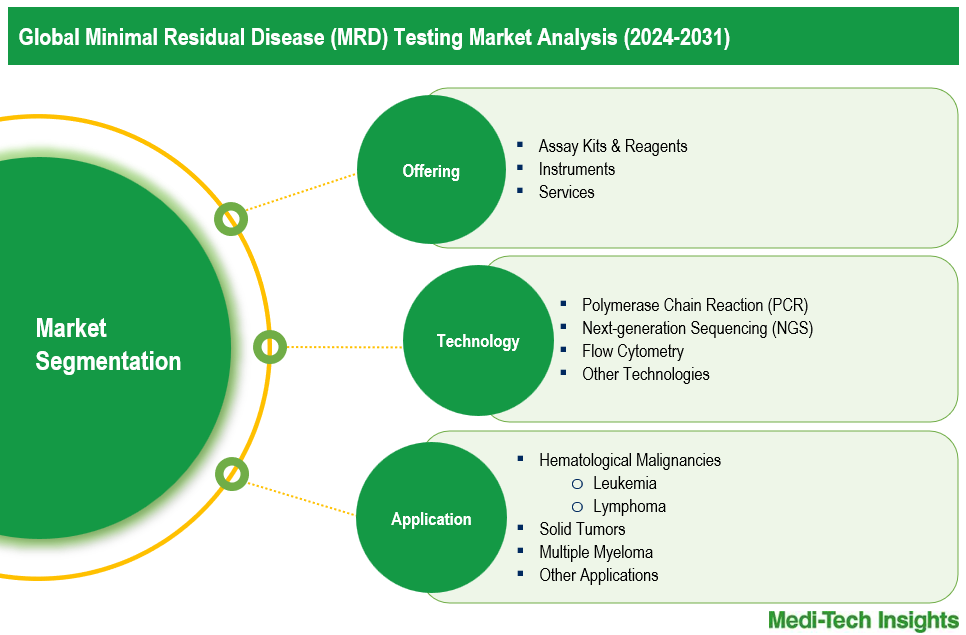
This report by Medi-Tech Insights provides the size of the global MRD testing market at the regional- and country-level from 2024 to 2031. The report further segments the market based on offering, technology, application, and end user.
Market Size & Forecast (2024-2031), By Offering, USD Billion
- Assay Kits & Reagents
- Instruments
- Services
Market Size & Forecast (2024-2031), By Technology, USD Billion
- Polymerase Chain Reaction (PCR)
- Next-generation Sequencing (NGS)
- Flow Cytometry
- Other Technologies
Market Size & Forecast (2024-2031), By Application, USD Billion
- Haematological Malignancies
- Leukaemia
- Lymphoma
- Solid Tumours
- Multiple Myeloma
- Other Applications
Market Size & Forecast (2024-2031), By End User, USD Billion
- Hospitals & Specialty Clinics
- Diagnostic Laboratories
- Academic & Research Institutes
- Other End Users
Market Size & Forecast (2024-2031), By Region, USD Billion
- North America
- US
- Canada
- Europe
- UK
- Germany
- France
- Italy
- Spain
- Rest of Europe
- Asia Pacific
- China
- India
- Japan
- Rest of Asia Pacific
- Latin America
- Middle East & Africa
Related Reports:
- Introduction
- Introduction
- Market Scope
- Market Definition
- Segments Covered
- Regional Segmentation
- Research Timeframe
- Currency Considered
- Study Limitations
- Stakeholders
- List of Abbreviations
- Key Conferences and Events (2026-2027)
- Research Methodology
- Secondary Research
- Primary Research
- Market Estimation
- Bottom-Up Approach
- Top-Down Approach
- Market Forecasting
- Executive Summary
- Minimal Residual Disease (MRD) Testing Market Snapshot (2026-2031)
- Segment Overview
- Regional Snapshot
- Competitive Insights
- Market Overview
- Market Dynamics
- Drivers
- Rising burden of cancer
- Shift toward precision medicine
- Technological advancements in molecular diagnostics
- Increasing use of MRD as a surrogate endpoint in clinical trials
- Growing emphasis on early detection and disease monitoring
- Restraints
- High cost of MRD testing
- Limited reimbursement coverage
- Infrastructure and skill requirements
- Limited awareness and adoption outside major cancer centers
- Opportunities
- Expansion into solid tumours
- Development of non-invasive MRD testing
- Integration of AI and machine learning
- Companion diagnostics and targeted therapies
- Key Market Trends
- Shift from traditional methods to NGS-based MRD testing
- Integration into clinical decision-making
- Unmet Market Needs
- Industry Speaks
- Drivers
- Market Dynamics
- Global Minimal Residual Disease (MRD) Testing Market Size & Forecast (2024-2031), By Offering, USD Billion
- Introduction
- Assay Kits & Reagents
- Instruments
- Services
- Global Minimal Residual Disease (MRD) Testing Market Size & Forecast (2024-2031), By Technology, USD Billion
- Introduction
- Polymerase Chain Reaction (PCR)
- Next-generation Sequencing (NGS)
- Flow Cytometry
- Other Technologies
- Global Minimal Residual Disease (MRD) Testing Market Size & Forecast (2024-2031), By Application, USD Billion
- Introduction
- Haematological Malignancies
- Leukaemia
- Lymphoma
- Solid Tumours
- Multiple Myeloma
- Other Applications
- Global Minimal Residual Disease (MRD) Testing Market Size & Forecast (2024-2031), By End User, USD Billion
- Introduction
- Hospitals & Specialty Clinics
- Diagnostic Laboratories
- Academic & Research Institutes
- Other End Users
- Global Minimal Residual Disease (MRD) Testing Market Size & Forecast (2024-2031), By Region, USD Billion
- Introduction
- North America Minimal Residual Disease (MRD) Testing Market Size & Forecast (2024-2031), By Country, USD Billion
- US
- Market Size & Forecast, By Offering, (USD Billion)
- Market Size & Forecast, By Technology (USD Billion)
- Market Size & Forecast, By Application (USD Billion)
- Market Size & Forecast, By End User (USD Billion)
- Canada
- Market Size & Forecast, By Offering, (USD Billion)
- Market Size & Forecast, By Technology (USD Billion)
- Market Size & Forecast, By Application (USD Billion)
- Market Size & Forecast, By End User (USD Billion)
- US
- Europe Minimal Residual Disease (MRD) Testing Market Size & Forecast (2024-2031), By Country, USD Billion
- UK
- Market Size & Forecast, By Offering, (USD Billion)
- Market Size & Forecast, By Technology (USD Billion)
- Market Size & Forecast, By Application (USD Billion)
- Market Size & Forecast, By End User (USD Billion)
- Germany
- Market Size & Forecast, By Offering, (USD Billion)
- Market Size & Forecast, By Technology (USD Billion)
- Market Size & Forecast, By Application (USD Billion)
- Market Size & Forecast, By End User (USD Billion)
- France
- Market Size & Forecast, By Offering, (USD Billion)
- Market Size & Forecast, By Technology (USD Billion)
- Market Size & Forecast, By Application (USD Billion)
- Market Size & Forecast, By End User (USD Billion)
- Italy
- Market Size & Forecast, By Offering, (USD Billion)
- Market Size & Forecast, By Technology (USD Billion)
- Market Size & Forecast, By Application (USD Billion)
- Market Size & Forecast, By End User (USD Billion)
- Spain
- Market Size & Forecast, By Offering, (USD Billion)
- Market Size & Forecast, By Technology (USD Billion)
- Market Size & Forecast, By Application (USD Billion)
- Market Size & Forecast, By End User (USD Billion)
- Rest of Europe
- Market Size & Forecast, By Offering, (USD Billion)
- Market Size & Forecast, By Technology (USD Billion)
- Market Size & Forecast, By Application (USD Billion)
- Market Size & Forecast, By End User (USD Billion)
- UK
- Asia Pacific (APAC) Minimal Residual Disease (MRD) Testing Market Size & Forecast (2024-2031), By Country, USD Billion
- China
- Market Size & Forecast, By Offering, (USD Billion)
- Market Size & Forecast, By Technology (USD Billion)
- Market Size & Forecast, By Application (USD Billion)
- Market Size & Forecast, By End User (USD Billion)
- Japan
- Market Size & Forecast, By Offering, (USD Billion)
- Market Size & Forecast, By Technology (USD Billion)
- Market Size & Forecast, By Application (USD Billion)
- Market Size & Forecast, By End User (USD Billion)
- India
- Market Size & Forecast, By Offering, (USD Billion)
- Market Size & Forecast, By Technology (USD Billion)
- Market Size & Forecast, By Application (USD Billion)
- Market Size & Forecast, By End User (USD Billion)
- Rest of Asia Pacific
- Market Size & Forecast, By Offering, (USD Billion)
- Market Size & Forecast, By Technology (USD Billion)
- Market Size & Forecast, By Application (USD Billion)
- Market Size & Forecast, By End User (USD Billion)
- China
- Latin America (LATAM) Minimal Residual Disease (MRD) Testing Market Size & Forecast (2024-2031), USD Billion
- Market Size & Forecast, By Offering, (USD Billion)
- Market Size & Forecast, By Technology (USD Billion)
- Market Size & Forecast, By Application (USD Billion)
- Market Size & Forecast, By End User (USD Billion)
- Middle East & Africa (MEA) Minimal Residual Disease (MRD) Testing Market Size & Forecast (2024-2031), USD Billion
- Market Size & Forecast, By Offering, (USD Billion)
- Market Size & Forecast, By Technology (USD Billion)
- Market Size & Forecast, By Application (USD Billion)
- Market Size & Forecast, By End User (USD Billion)
- Competitive Landscape
- Key Players and their Competitive Positioning
- Key Player Comparison
- Segment-wise Player Mapping
- Market Share Analysis (2025)
- Company Categorization Matrix
- Dominants/Leaders
- New Entrants
- Emerging Players
- Innovative Players
- Key Strategies Assessment, By Player (2023-2026)
- New Product and Service Launches
- Partnerships, Agreements, & Collaborations
- Mergers & Acquisitions
- Geographic Expansion
- Key Players and their Competitive Positioning
- Company Profiles*
(Business Overview, Financial Performance**, Products Offered, Recent Developments)
- Hoffmann-La Roche Ltd
- Labcorp
- Guardant Health, Inc.
- Adaptive Biotechnologies
- Natera, Inc.
- Exact Sciences Corporation
- QIAGEN
- Bio-Rad Laboratories, Inc
- Sysmex Corporation
- Thermo Fisher Scientific Inc.
- Other Prominent Players
Note: *Indicative list
**For listed companies
The study has been compiled based on extensive primary and secondary research.
Secondary Research (Indicative List)

Primary Research
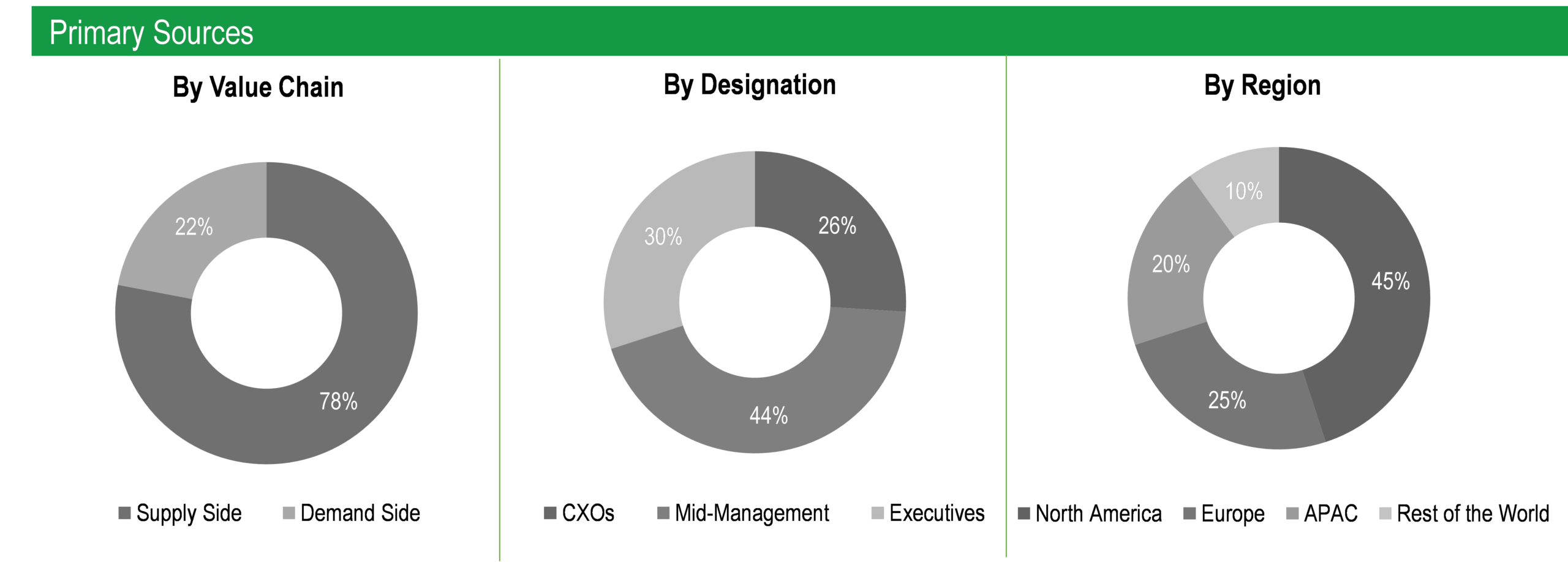
To validate research findings (market size & forecasts, market segmentation, market dynamics, competitive landscape, key industry trends, etc.), extensive primary interviews were conducted with both supply and demand-side stakeholders.
Supply Side Stakeholders:
- Senior Management Level: CEOs, Presidents, Vice-Presidents, Directors, Chief Technology Officers, Chief Commercial Officers
- Mid-Management Level: Product Managers, Sales Managers, Brand Managers, R&D Managers, Business Development Managers, Consultants
Demand Side Stakeholders:
- Hospitals & Specialty Clinics, Diagnostic Laboratories, Academic & Research Institutes, and others
Breakdown of Primary Interviews
 Market Size Estimation
Both ‘Top-Down & Bottom-Up Approaches’ were used to derive market size estimates and forecasts
Data Triangulation
Research findings derived through secondary sources & internal analysis was validated with Primary Interviews, Internal Knowledge Repository and Company’s Sales Data
Features of the Report
- Comprehensive Market Coverage
- Market Size and Forecast
- Geographic & Segment Deep Dives
- Strategic Insights & Competitive Landscape
- Timely & Updated Data
- Growth Indicators & Future Outlook
- Quick Turnaround on Queries
- Analyst Support
- Report Customization Available
- Reports in PDF & Excel
